
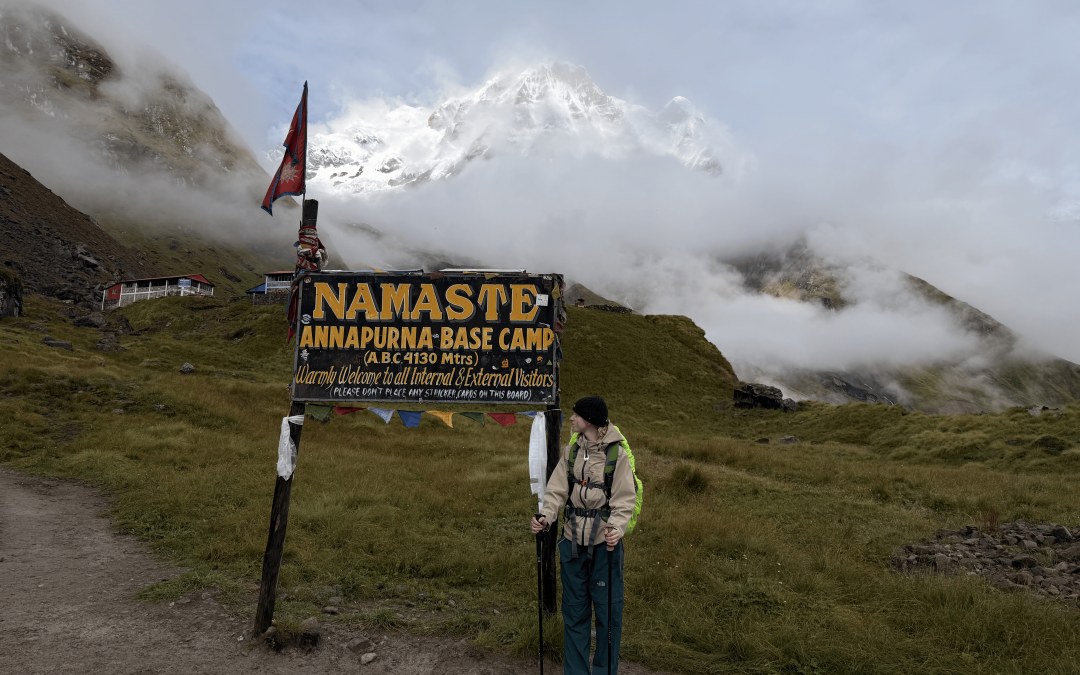
Teaching and Trekking in Kathmandu, Nepal
In this blog, Evie Taylor, undergraduate student on GDI’s Global Development course, recounts her eye-opening summer travels in Nepal.
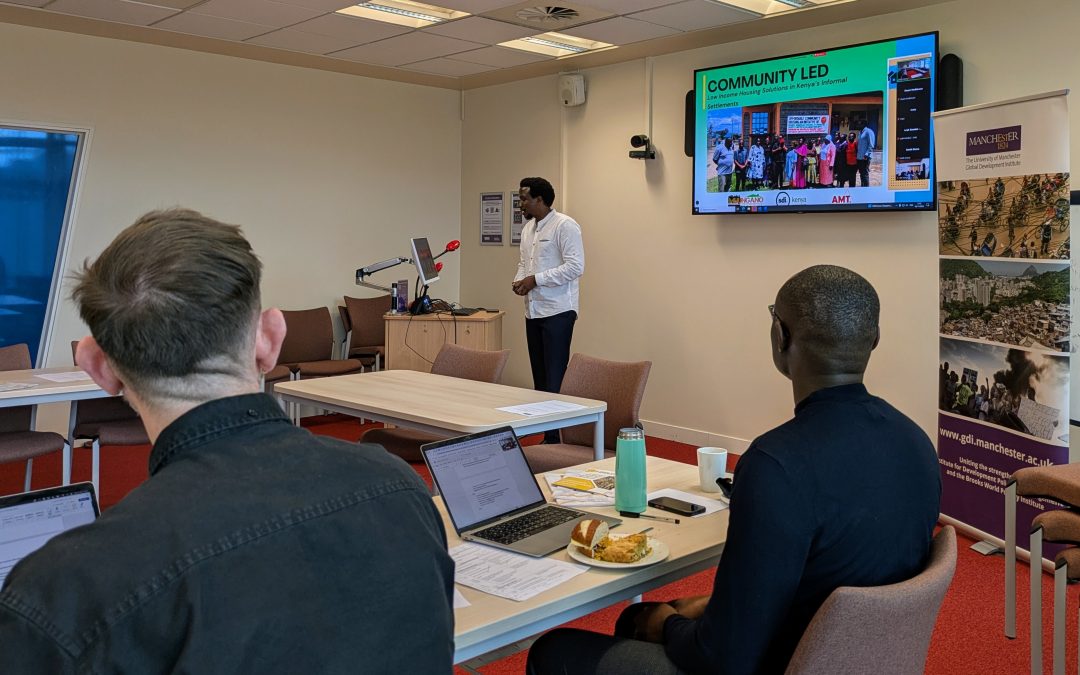
Cross-city learning to address the global housing challenge
By Isis Barei-Guyot, Tom Gillespie and Smith Ouma
On 4 November 2025 Zohran Mamdani was elected Mayor of New York City. The 34-year-old Democratic Socialist campaigned on the issue of urban affordability and took on the city’s political and real estate establishment by promising to build public housing and freeze rents.

GDI Digest: Behind the Headlines
by Louisa Hann
In these times of economic and geopolitical upheaval, global development issues have been making frequent headlines. In recent months, for example, we’ve seen the controversial opening of the Grand Ethiopian Renaissance Dam (an infrastructural project explored at length in Tom Lavers’ recent open access book, Dams, Power, and the Politics of Ethiopia’s Renaissance), devastating flooding in Pakistan impacting its agriculture and economy, the decimation of aid programmes such as USAID (as discussed in our webinar co-hosted with the Development Studies Association), and the continued struggles of Palestinians (an issue explored in depth in a recent conference organised by the GDI Students for Palestine group).
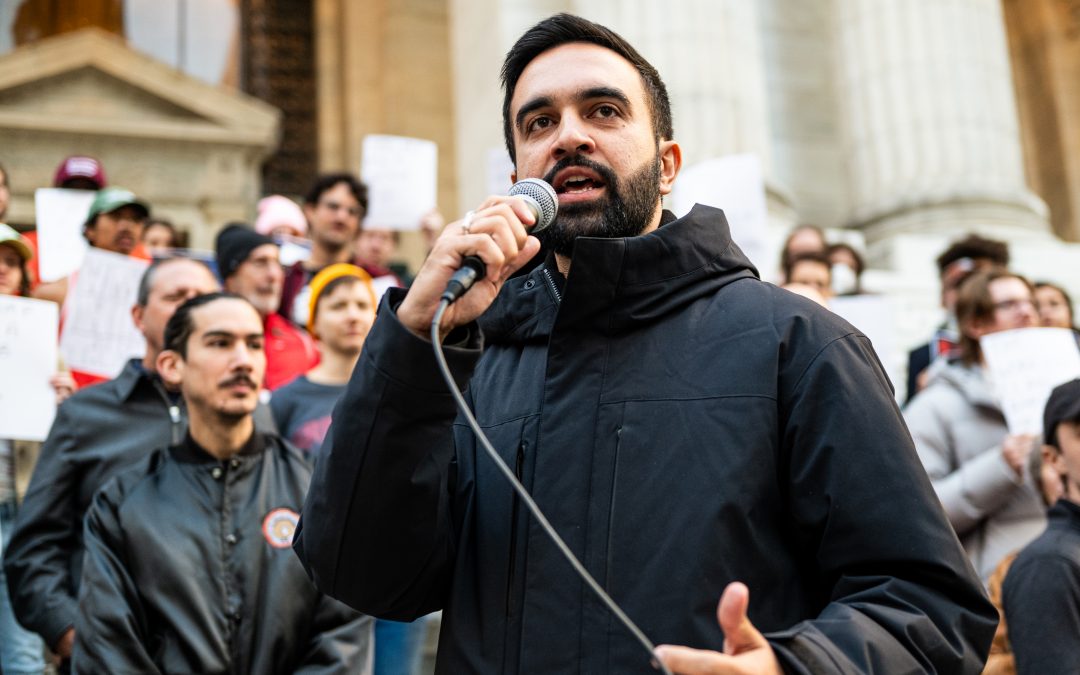
Is it time to give municipal socialism a chance?
by Seth Schindler, Professor of Urban Politics and Development
Every autumn the University of Manchester slowly awakes from hibernation and lumbers into the new academic year. This awakening is accompanied by the springtime optimism of new beginnings, even as darkness descends on the city in the afternoons. Fresh-faced students imagine the endless possibilities that await their future selves as they explore the campus and city. This should be a time of great anticipation and excitement, yet students increasingly suffer from anxiety because they will most likely graduate with debt and few job prospects.

The role of hope in transforming places of despair into resilient spaces
On 21st October 2025, we held the third in a series of communities of practice designed to support practitioners and academics in navigating a turbulent world and building resilience in difficult times. This month, we focused on the value of hope in tackling problems that may feel insurmountable, as well as the ways we can nurture and maintain hope in the longer term.
As in previous sessions, Natalie Cunningham, Senior Lecturer in Leadership for Development at GDI, facilitated the discussion alongside Louisa Hann, Research Communications Officer. Natalie started the session by discussing the meaning of hope and sharing academic literature on the topic.
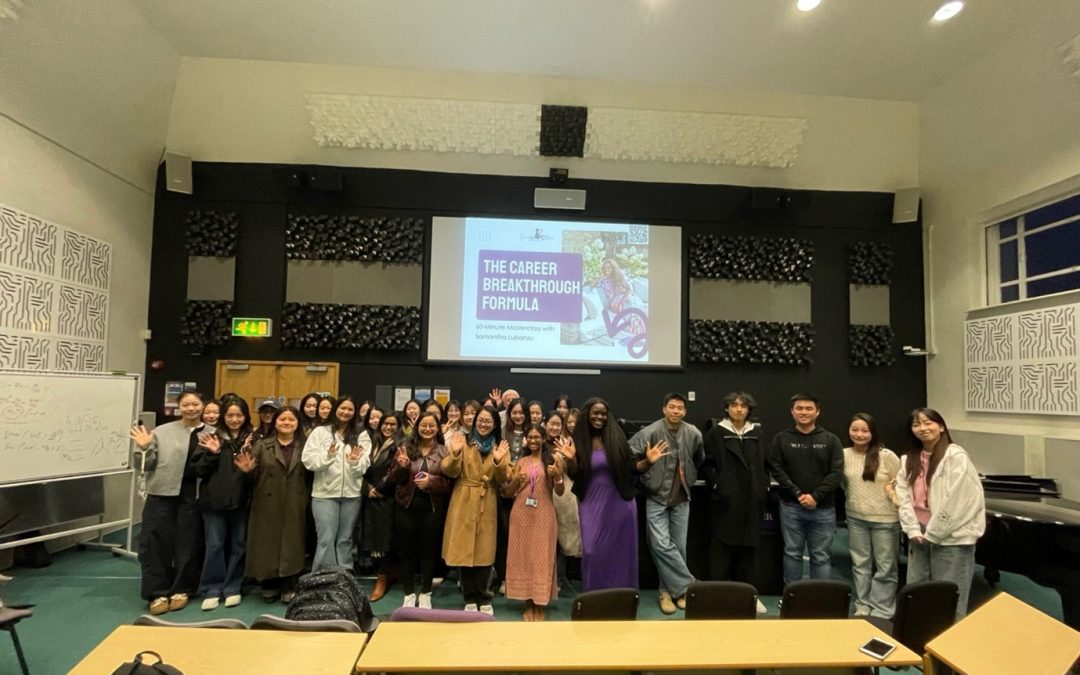
Kicking off the semester with the GDI Human Resource Management students
by Lujia Feng, Programme Director, MSc Human Resource Management (International Development)
At the start of this semester, we kicked off the year with something a little different, a learning session and social event for MSc Human Resource Management (International Development) students on Friday, 17 October 2025.

Earth observation data for the Global South: democratizing access or deepening inequalities?
By Mina Wang, intern with the Just Earth Observation for Conservation (JEOC) project
Earth observation (EO) has long been used for environmental monitoring, but has become increasingly integral in recent years — not least in the Global South, where the promise of the bird’s eye view has been touted as a way to democratize access to environmental information and decision-support across the continents. Indeed, projects like the Guinea Land Cover Mapping initiative and the NASA-led SERVIR-Mekong initiative for reservoir and flood monitoring have shown how EO can effectively be used to support conservation goals and climate resilience. Similar to many other sectors, however, EO has experienced significant commercialization over the last decade or so: between 2014 and 2022, the share of commercial satellites amidst over 1,000 operational EO missions rose from just 10% to an estimated 71%. And the global EO industry is far from being leaderless: in 2024, companies based in the US and Europe alone accounted for over 85% of the market share.

Africa: Peace and development in the age of transactional geopolitics
By Teklehaymanot Weldemichel and Smith Ouma
The African Union has long promoted the slogan “African solutions to African problems”. Yet recent developments across the continent suggest that this proclamation is increasingly hollow.
Join us for Transformation Lab Week 2025

What does it take to turn toxic organisations into thriving organisations?
On 16th September 2025, we held the second communities of practice in a series exploring the complexities of developing and maintaining resilience within the development space. Natalie Cunningham, Senior Lecturer in Leadership for Development at GDI, facilitated the sessions alongside Louisa Hann, Research Communications Officer, and we were joined by a diverse group of academics and practitioners.