Global Development Institute Master’s Student Field trip to Rwanda: Does Data speak Louder than Words?
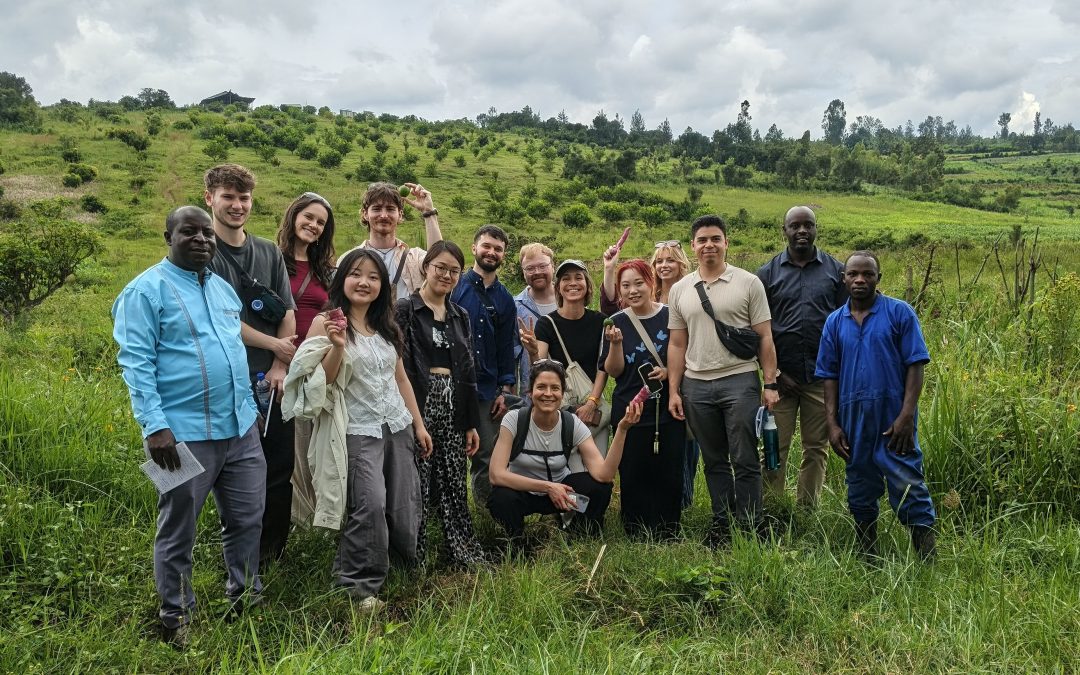
Featured image: Visit to local entrepreneur Charles Ashimwe’s fruit tree and vegetable plantation
Between the 21st of March and the 3rd of April 2026, the University of Manchester took Development Studies master’s students on its annual field trip to Rwanda. Rwanda, led by ex-militia leader Paul Kagame, is a small land-locked country in East Africa. Since its tragic 1994 genocide, it has made impressive progress in social and economic development indicators. Successes include: near-universal health insurance coverage; a crackdown on corruption with Rwanda ranked 41 of 180 in 2024 according to the Corruption Perception Index; and high annual GDP growth, reaching almost 9 percent in 2024. Its outlier position in the African context makes Rwanda a particularly interesting case study for Development Studies students. Yet, at the same, Rwanda is regularly critiqued for its authoritarianism. Its long-standing intervention in neighbouring Democratic Republic of Congo is also blamed for causing regional instability, displacement, and economic exploitation of Congo’s mineral wealth. In March 2026, Rwanda’s involvement led to US sanctions against the Rwandan Defence Force.
If you don’t count, you don’t count: Reflections from a third visit to Rwanda
by Mariana C. Hernández-Montilla
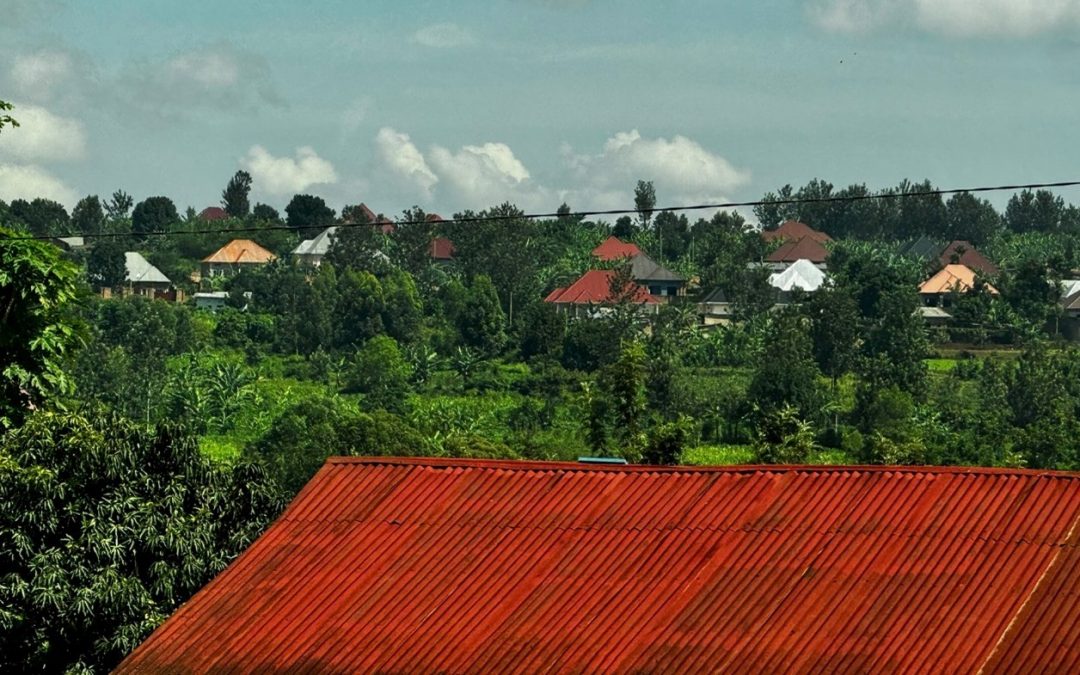
Here I am, once again in Kigali, looking into education and health in Rwanda. People joke that I must be an expert in Rwanda fieldwork because this is my third time coming as a Teaching Assistant. But it is curious how quickly I forget the small things that matter.

In Conversation: Uma Kothari on Stories of Place
To mark the publication of Professor Uma Kothari’s new co-authored book, Stories of Place: Geographies of Meaning, Memory and Connection, we interviewed Uma about the story behind the book and the relationship between stories and the places from which they emerge. In the conversation below, Uma and Louisa Hann, GDI’s Research Communications Officer, discuss everything from the slippery definition of the story to the ethics of storytelling within academic contexts.
Think you can’t change the world? You matter more than ever
Yesterday I was sad to read of even further declines in UK giving over the past year. Today I am furious to hear what UK aid cuts will look like in practice. And if you’re following global development headlines, you might feel the same way.
Such devastating stories are an indictment of where we are and where we’re heading. So let me take my ‘Professor’ hat off and say a little about what we’ve learned in these past days and what that means for some of the most vulnerable populations in the world.
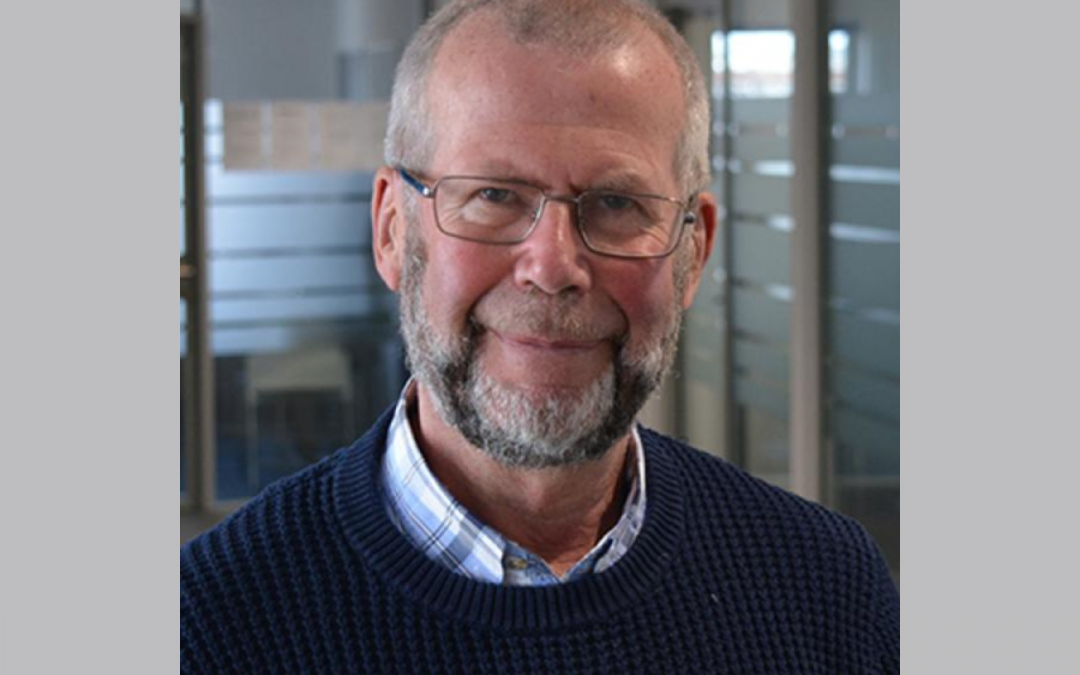
Paul Mosley (05 April 1947 – 18 February 2026) – An Appreciation
It is with great sadness that we report the death of Professor Paul Mosley, Director of the Institute for Development Policy and Management (IDPM), University of Manchester, from 1986 to 1992. Professor David Hulme, who worked closely with Paul, reflects on his immense contribution to Development Studies.

GDI Digest: Forget the hype – how is AI really changing the world?
by Louisa Hann
If today’s Silicon Valley billionaires are to be believed, AI is about to supercharge your quality of life, boost your productivity, and provide access to “wildly abundant” intelligence. As Sam Altman, CEO of OpenAI puts it, the future “can be vastly better than the present”, with the world “getting so much richer so quickly that we’ll be able to seriously entertain new policy ideas we never could before”.
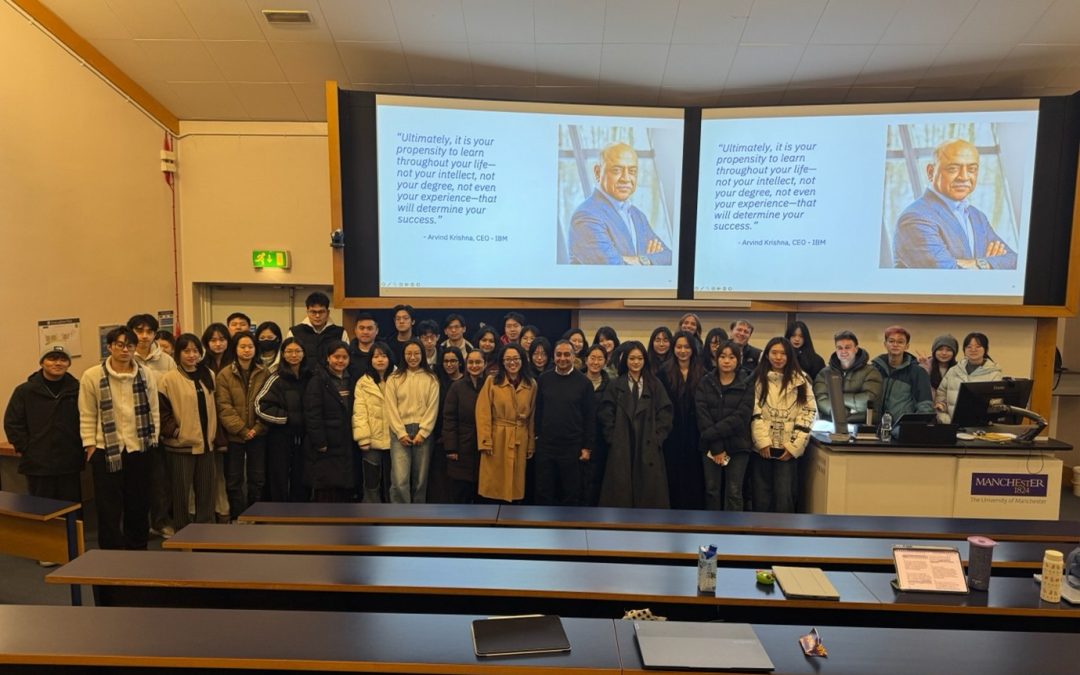
Empowering Human Potential: Rethinking Employability in the New Collar Era
By Lujia Feng, Programme Director: MSc Human Resource Management (International Development)
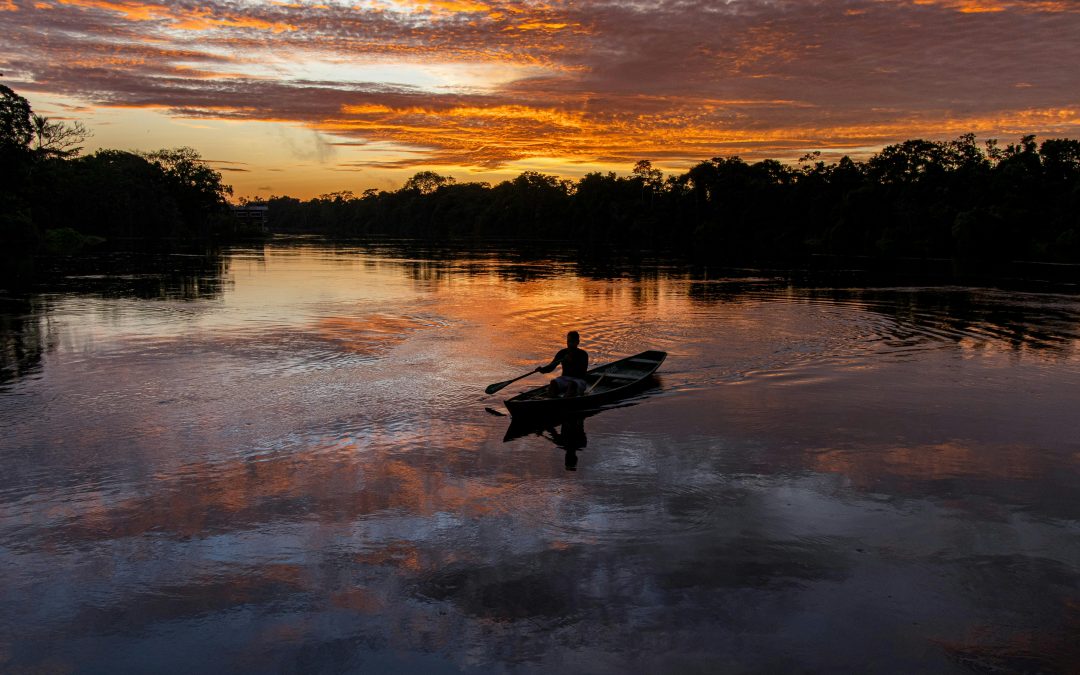
Call for Workshop Contributions: Resilient Amazon Futures: Strengthening Food, Water, Forest, and Land Governance for Sustainable Development
Workshop Title: Resilient Amazon Futures: Strengthening Food, Water, Forest, and Land Governance for Sustainable Development
UK Principal Instructor: José A. Puppim de Oliveira, University of Manchester
Brazil Principal Instructor: Claudio Szlafsztein, Federal University of Pará (UFPA)
Mentors: Maria Julia Ferreira, National Institute of Amazon Research (INPA); Aarti Krishnan, University of Manchester (UoM); João Campos-Silva, Instituto Juruá; John James Loomis, University of Manchester (UoM)
Discipline: Business Studies
Dates and place: 25–29 May 2026, Belem, Brazil
Venue: Federal University of Pará (UFPA)
Deadline for application submission: 31 March 2026 to the email: resilientamazonfutures@gmail.com

Looking for the AI in inclusive AI
by Anuradha Ganapathy, PhD Researcher at the Global Development Institute
Can you write about AI without ever once referring to it?
These were my first thoughts when I came back from the field, learning from and with communities in rural India who were experimenting with a new AI tool. Built on geospatial data and machine learning algorithms, the tool provided data on socio-ecological indicators such as water stress, forest health, soil type, flora fauna biodiversity, etc., to enable communities to develop a shared understanding of their landscape.
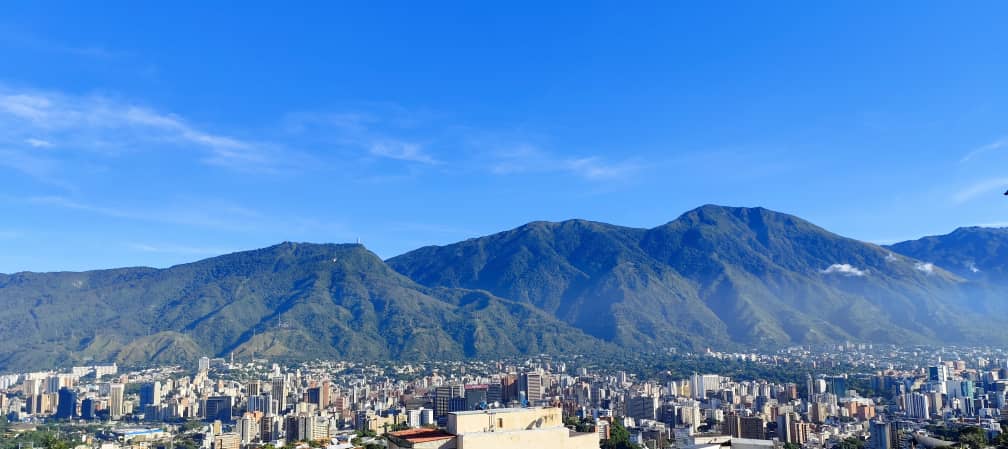
What an Urban Lens Can Tell Us About Venezuela
by Dr Erika Garcia Fermin, Honorary Research Fellow at the Global Development Institute
Last week I had a really energising conversation with Tom Goodfellow and Beth Perry on Urban Radar, a podcast by Sheffield Urbanism that discuss current events through the lens of cities and urban life. This time, we talked about Venezuela, and about my city, Caracas. The conversation stayed with me after we wrapped up, so here I am thinking through some of what we discussed, and to clarify a few points that, in hindsight, I’d like to have expressed more clearly.