by Xinyi Zhang
Last year, students enrolled in GDI’s MSc Human Resource Development (International Development) enjoyed a field trip to Cape Town to learn more about putting human resource theories into practice. In this piece, student Xinyi Zhang reflects on lessons learned and demonstrates the vital ways in which field trips can enrich the student experience and equip graduates with the tools they need to hit the ground running after graduation.
Human Resource Development (HRD) is more than a subject – it’s a dynamic journey of learning how people, performance, and organizational goals connect. As part of the Global Development Institute (GDI) at the University of Manchester, HRD focuses on empowering individuals through learning and organizational growth. Our course emphasizes real-world engagement and global exposure – exactly what this Cape Town field trip delivered. This wasn’t just theory anymore. It was HRD in action, seen through the lens of a vibrant, complex, and inspiring South African context.
Learning through Practice
As part of the HRD programme, the Cape Town field trip was designed to help us understand how HR theories come to life in real-world settings. Our objective was simple: observe, engage, and analyze how organizations approach Talent Management and Leadership Development in diverse environments.
In one week, we visited several leading organizations that each offered unique perspectives. Let’s highlight four that left the strongest impressions:
Woolworths
A household name in retail, Woolworths showed us what transformational leadership really looks like. Leaders here communicate a strong, values-driven vision – centered on sustainability, inclusion, and service excellence. From agile structures to emotional intelligence training, they’re building a workplace culture that inspires and empowers. Sitting in their boardroom, we didn’t just learn leadership theory – we felt it in action.
Oceana Group
As a global seafood enterprise, Oceana introduced us to Inclusive Talent Management. Their focus on upskilling employees from historically disadvantaged communities made a lasting impression. Internal promotion, mentorship, and career pathing weren’t just policies – they were part of Oceana’s DNA. Their culture reflected HRD’s most human side: equity, development, and dignity.
Mediclinic
Operating in the healthcare sector, Mediclinic took a strategic approach to talent. They prioritize retaining nurses – their biggest cost and most vital resource – through training, rewards, and long-term career planning. With temporary doctors and flexible resource allocation, we saw the business side of HRD balance with ethical care. It was a masterclass in aligning HR strategy with core operations.
GLC (Global Load Control)
This tech-driven service provider for airlines, such as Lufthansa and Icelandair, showed us how talent selection and performance metrics shape high-pressure environments. Their rigorous screening, continuous skill development, and coaching programmes demonstrated a data-informed approach to HR. It was a contrast to the more people-first culture of Oceana, reminding us that industry context defines HR practice.
Together, these visits showcased the breadth and depth of HRD, from high-level strategies to everyday practices. Whether it was through inclusive hiring or data-based leadership, every organization shared one goal: developing people to drive sustainable success.



Reflections and experiences
Technical aspects
The field trip provided hands-on insight into HRD’s core theories, especially Talent Management and Leadership. It was eye-opening to see how differently these concepts are implemented in practice.
As mentioned, talent management varied across companies. For instance, Oceana’s focus was inclusive development. They upskilled and promoted internal talent, aligned with their inclusive model. GLC, on the other hand, used selective recruitment and mathematical screening, emphasizing job fit over inclusivity. This contrast helped us understand how theory adapts based on industry demands and cultural context.
Leadership was another highlight. Woolworths showcased transformational leadership, emphasizing vision, empowerment, and emotional intelligence, the very elements we studied in class. Meanwhile, Mediclinic leaned more on situational leadership, they adapted their management based on dynamic staffing needs.
What stood out across all companies was the importance of aligning HR strategy with business goals. For example, Mediclinic doesn’t hire full-time doctors but strategically reduces costs by using contract staff and investing in nurses. This reflects their strategic talent mindset which helps them build competitive advantages.
Throughout these visits, the connection between theory and practice became vivid. Concepts like the Employee Value Proposition, career pathing, and on-the-job learning were no longer just terms in our textbooks, but they were part of real people’s careers and lives.
In summary, this field trip strengthened our technical foundation and showed us how flexible and contextual HRD must be. We returned with sharper analytical skills, a deeper appreciation for theory in practice, and fresh perspectives on what effective HR strategy looks like.
Non-technical aspects: Reflections Beyond the Classroom: Weather, Culture, and Human Stories
The first thing that struck me about South Africa was the weather. It was sunny, fresh, and pleasantly warm—perfect for our field visits. The beautiful climate added a sense of relaxation to our schedule and allowed us to fully enjoy the outdoor experiences.
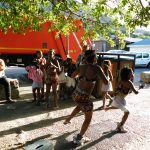
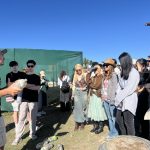
One of those experiences was our visit to the Kirstenbosch National Botanical Garden. The garden was absolutely stunning, filled with vibrant plants and flowers. While exploring, we met a group of local schoolchildren. They were excited and curious about us, and we had a fun exchange about our cultures. They even taught us a few words in their local language, which made the interaction warm and memorable.
Another powerful moment took place at the Uthando Goal50 ECD Centre. There, we spoke with a staff member who shared his personal journey. He told us he used to survive by stealing, but through encouragement from the local organization, he changed his life. Now he works at the centre, supporting the community instead of harming it. His story left a deep impression on me and reminded me of the power of second chances and community care.
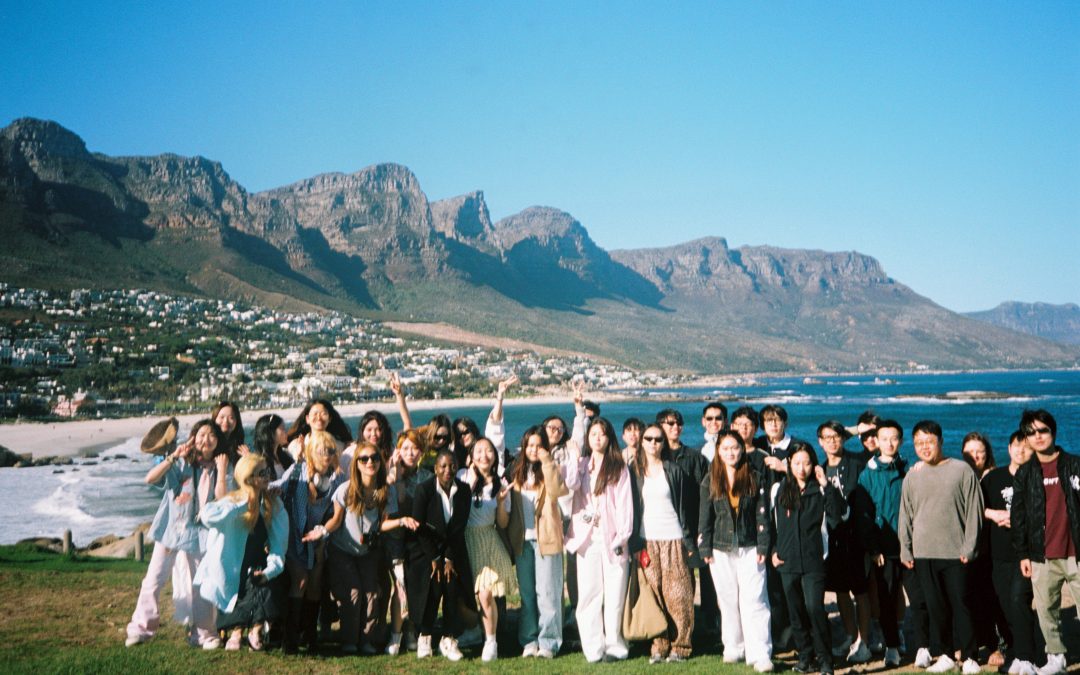
Besides, sharing this experience with 32 classmates and our professors was incredibly bonding. Whether it was joking on the bus, reflecting after visits, or late-night chats in the hotel, we weren’t just learning together, we were living together. Sitting beside friends while admiring Good hope or exploring the V&A Waterfront made everything more memorable.
These small, non-technical moments gave me a richer, more personal understanding of South Africa, its warmth, its people, and its potential for transformation.
What We Took Away
Technically, we now see HRD concepts in action:
Transformational leadership at Woolworths changed our view on how culture and vision shape organizations.
Inclusive talent management at Oceana showed how business can be a force for social equity.
Strategic workforce planning at Mediclinic taught us to think long-term and systemic.
Talent acquisition and analytics at GLC helped us appreciate precision in HR.
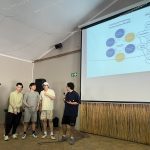
Hearing different classmates present sharpened our thinking. Some, like Bing, highlighted the link between values and talent. Others, like Minghao, emphasized the importance of measurable skills and adaptability. This diversity of insights reminded us that HRD is multi-faceted, shaped by industry, culture, and strategy.




Non-technically, we embraced the full Cape Town experience:
Bring a universal adapter (and a jacket — Cape Town evenings are chilly!).
Long-haul flights are exhausting — pack light, sleep tight.
The hotel breakfasts were amazing—seriously, don’t skip them! Get up early and enjoy every bite.
Take a stroll at the V&A Waterfront -especially in the evening. The sea breeze, sunset glow, and music feel like something out of a dream.
The £50 trip to Cape Point was unforgettable—African penguins, jaw-dropping cliffs, and the feeling of stepping into a geography textbook. Worth every penny.
Local currency matters: 1 GBP ≈ 25 ZAR — bargain wisely and always carry your student card!
And most importantly: be open-minded, curious, and kind.
We left Cape Town with more than notes and photos. We learned to treasure the people around us. Laughing, exploring, learning together—this field trip gave us not just knowledge, but lifelong memories and friendships. Broader perspectives, and a stronger identity as future HRD professionals, and that’s the true magic of learning beyond borders.
Note: This article gives the views of the author/academic featured and does not necessarily represent the views of the Global Development Institute as a whole
Please feel free to use this post under the following Creative Commons license: Attribution-NonCommercial-NoDerivatives 4.0 International (CC BY-NC-ND 4.0). Full information is available here.