Inequality and Covid-19: analysing Oxfam’s latest report
Prof David Hulme, Global Development Institute
Oxfam’s reports on inequality have grabbed the headlines over the years – “8 men own the same wealth as 3.6 billion people” won global media coverage a few years ago and challenged many of the world’s business elite at Davos as they pontificated about “what to do about inequality”.
Schools in Bangladesh have been closed for more than 6 months: what are people saying?
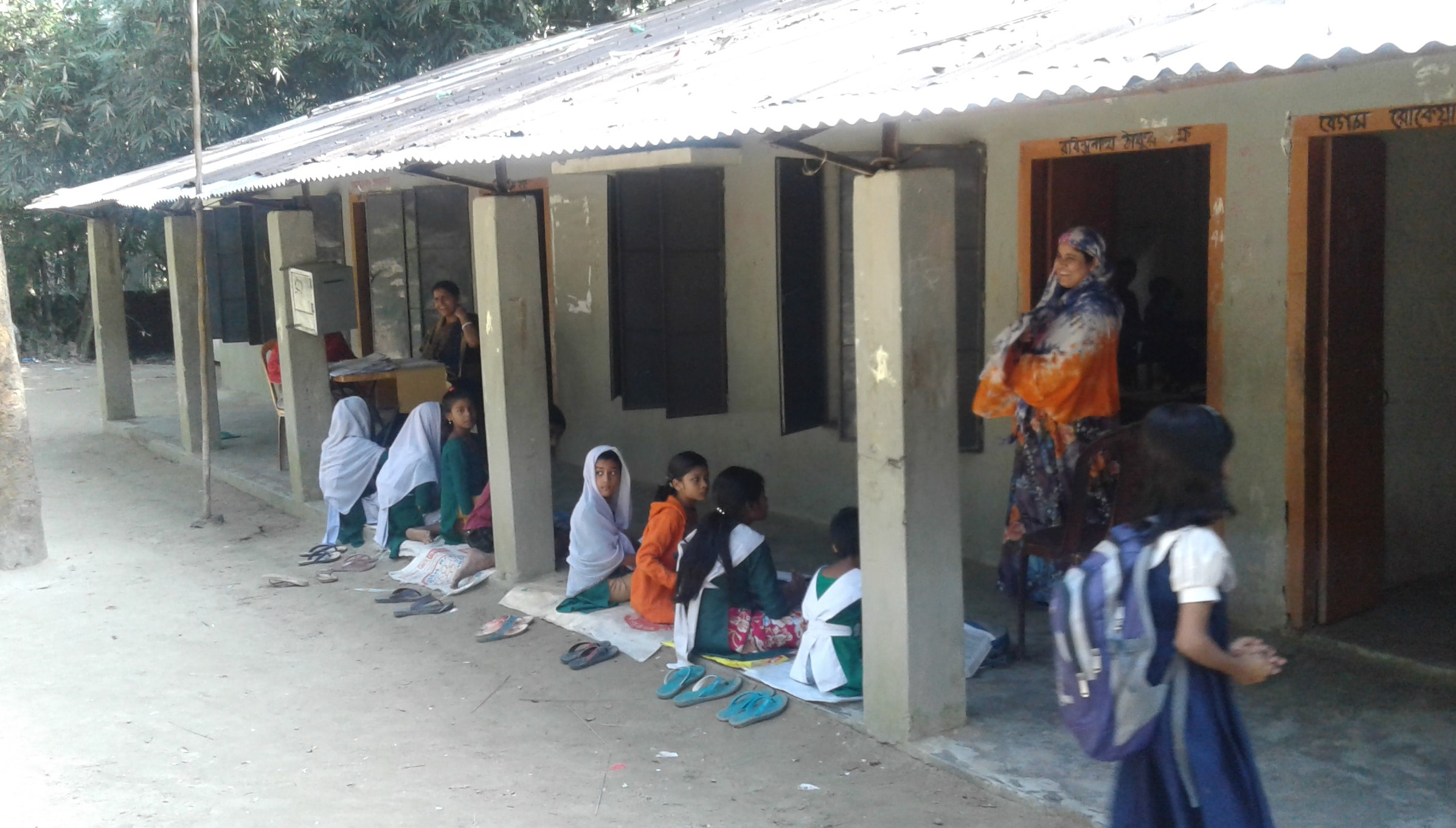
Hrishipara government primary school
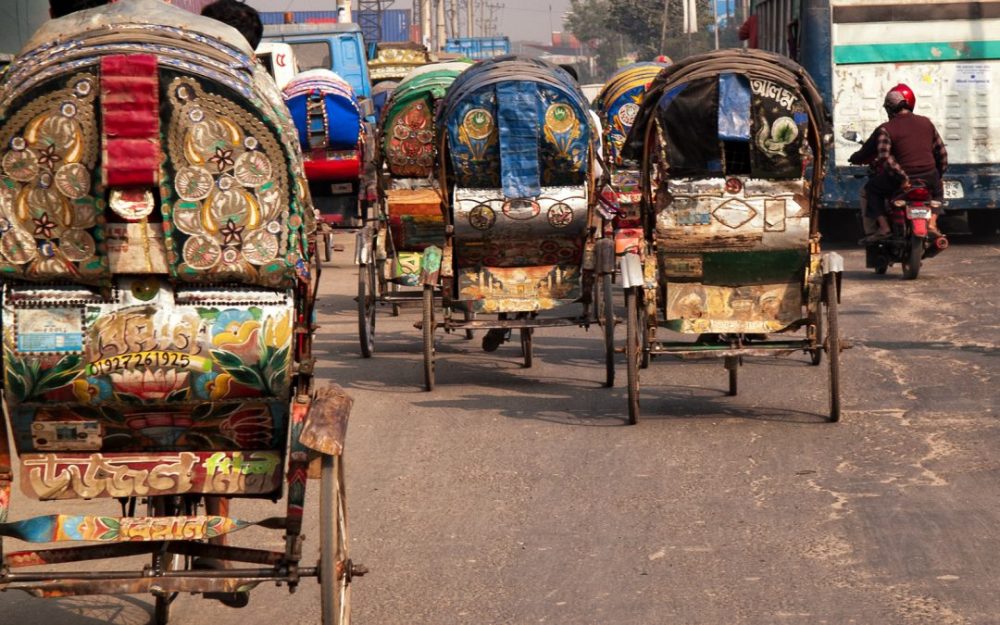
The Bangladesh government closed all schools on March 17th, 2020 as part of a ‘lockdown’ to combat the virus. Since then there have been several target dates for re-opening, but each has been cancelled and we still cannot be sure when the schools will open again.
The Hrishipara Daily Diary Project has been running a ‘financial diaries’ project in central Bangladesh since May 2015, which collects, every day, records of all the money transactions made by our sixty ‘diarist’ respondents. We also keep track of their personal and social lives. This year (2020) we have been making a special effort to follow their fortunes during the corona pandemic.
At the end of September, we surveyed our diarists to find out what they think about this prolonged school closure. We also talked to a few schoolteachers. read more…

Symposium to celebrate the 75th anniversary of the 5th Pan-African Congress in Manchester
We are delighted to announce a day-long symposium on 17th October to celebrate the 75th anniversary of the 5th Pan-African Congress which was held in Manchester. Organised by our Africa Research Group, the event will bring together researchers to discuss ‘75 Years after the 5th Pan-African Congress: Decolonising Africa’s Development Agenda’
The 1945 Pan-African Congress was held in Manchester and brought together intellectuals and activists such as W.E.B Du Bois, Kwame Nkrumah, Nnamdi Azikiwe and Jomo Kenyatta. The Congress was a springboard for these key figures in connecting with each other and developing new national strategies towards hastening decolonisation.
The symposium is inspired by the collegiate and collaborative spirit of the original event and will bring together researchers whose research is focused on Africa. The event will feature panel discussions, lectures from experts and a 3-minute thesis competition. Speakers include Dr Amani Abou-Zeid of the African Union, Dr Samuel Maimbo of the World Bank and Prof Diana Mitlin who is CEO of a new £32m research project on African Cities. read more…
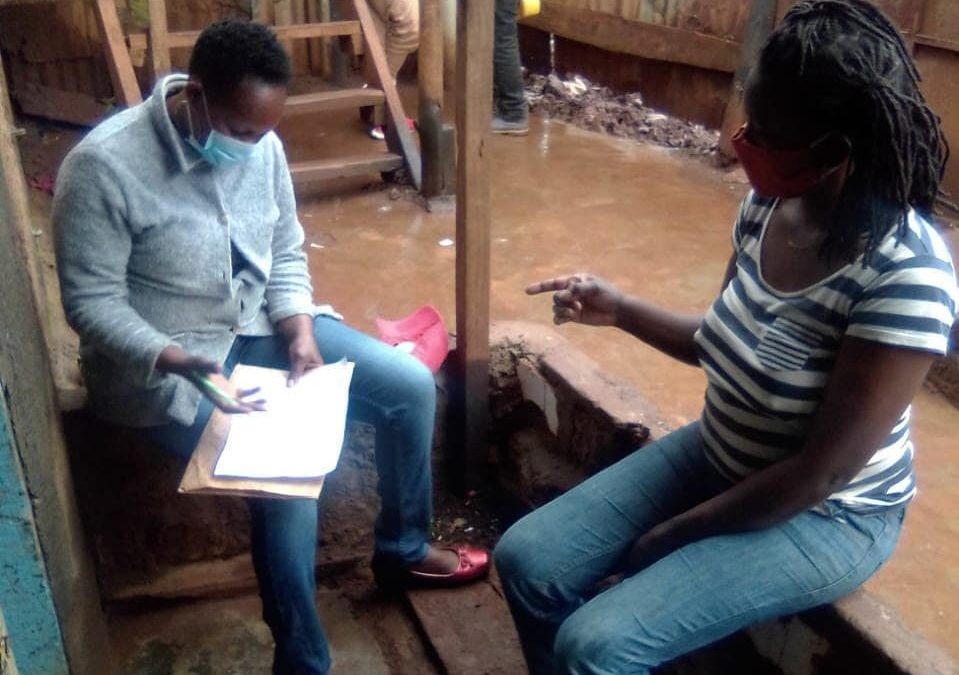
The power of data in a pandemic: repurposing Muungano’s data-collection expertise to fight Covid-19 in Kenya
Whitney Banyai-Becker (GDI), Charity Mwangi (SDI Kenya) and Jane Wairutu (SDI Kenya) explain how Muungano’s work with the Kenyan Ministry of Health is helping to find data-driven solutions to Covid-19 that are appropriate in informal settlements.
Muungano wa Wanavijiji learned long ago that data in the hands of the community is a powerful tool. For over two decades the Muungano Alliance (comprising Muungano wa Wanavijiji, SDI Kenya and Akiba Mashinani Trust) has worked to build community data collection skills in settlement profiling, mapping and enumeration. These practices have always been central to Muungano’s activism and community support, but perhaps no one could have guessed how vital they would become this year in response to the Covid-19 outbreak. read more…
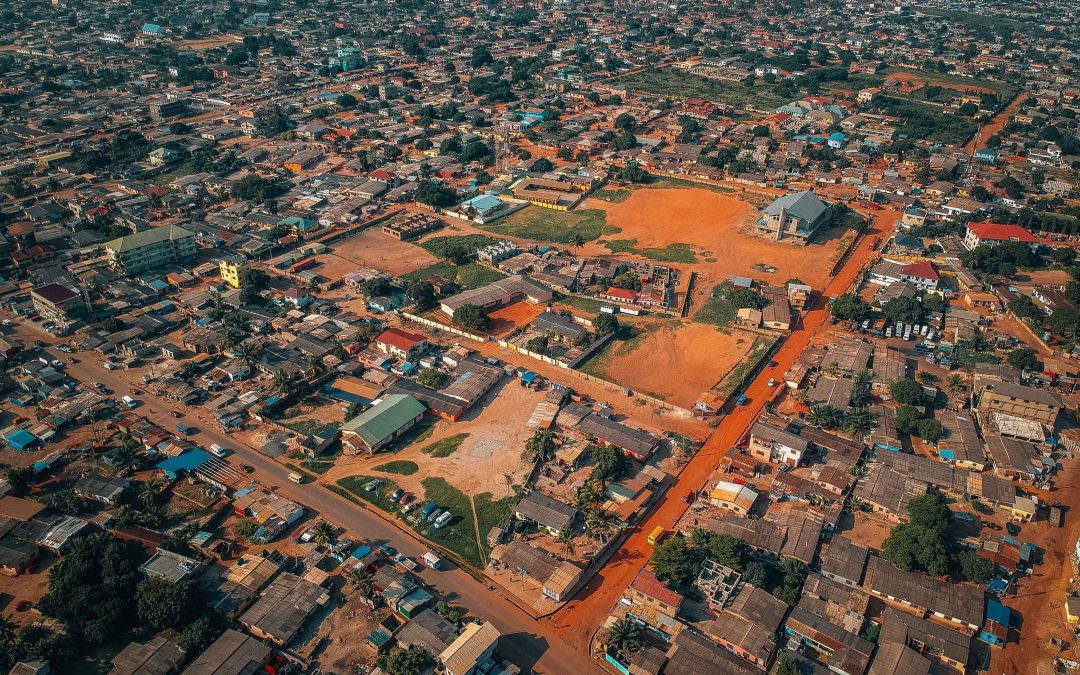
New African Cities Research Consortium Announced
Researchers from the Global Development Institute have been awarded a new research contract of £32 million to establish the African Cities Research Consortium (ACRC), funded by the UK’s Foreign, Commonwealth and Development Office (FCDO) as part of UK Aid.
Led by Professor Diana Mitlin, ACRC and its international partners will tackle complex problems in some of Africa’s fastest growing urban areas. Over 6 years, research will generate new evidence to catalyse integrated, sustainable, inclusive approaches to urban development.
African Cities will approach urban areas as complex systems, undertaking engaged political analysis, in order to address large scale development challenges. A ‘city as a system’ approach aims to move beyond the sectoral silos of research and interventions by treating each city as a complex system. It builds upon the political settlements analysis establish by our Effective States and Inclusive Development research centre, and will integrate political and technical analysis undertaken alongside key players on the ground.
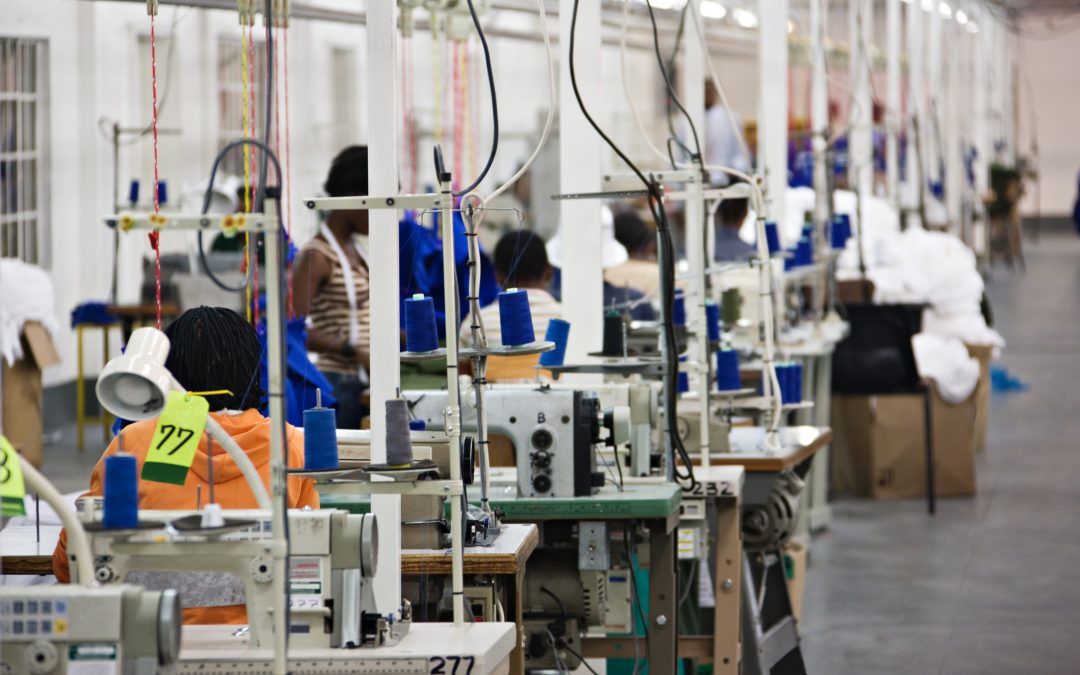
Understanding regional value chains through the interaction of public and private governance: Insights from Southern Africa’s apparel sector
Giovanni Pasquali, Shane Godfrey, Khalid Nadvi
Enabled by the ESRC-GCRF grant (ES/S000453/1) as part of the project ‘Shifting South: decent work in regional value chains and South-South trade’.
South-South trade between developing countries now exceeds North-South trade, while intra-regional commerce has grown to account for a large share of the global South’s improved trade performance (Horner & Nadvi, 2018). In a newly-published article in the Journal of International Business Policy, we explore the dynamics underpinning the emergence and development of regional value chains (RVCs) in the global South, with a focus on the apparel industry in Southern Africa.
The Routledge Handbook of Place Launch
To celebrate their new book, The Routledge Handbook of Place, Ares Kalandides, Tim Edensor and GDI’s Uma Kothari took part in an online launch event organised by Institute of Place Management. The event also featured chapter writers David Cooper, Jenny Kanellopoulou and Dawn Lyon read more…
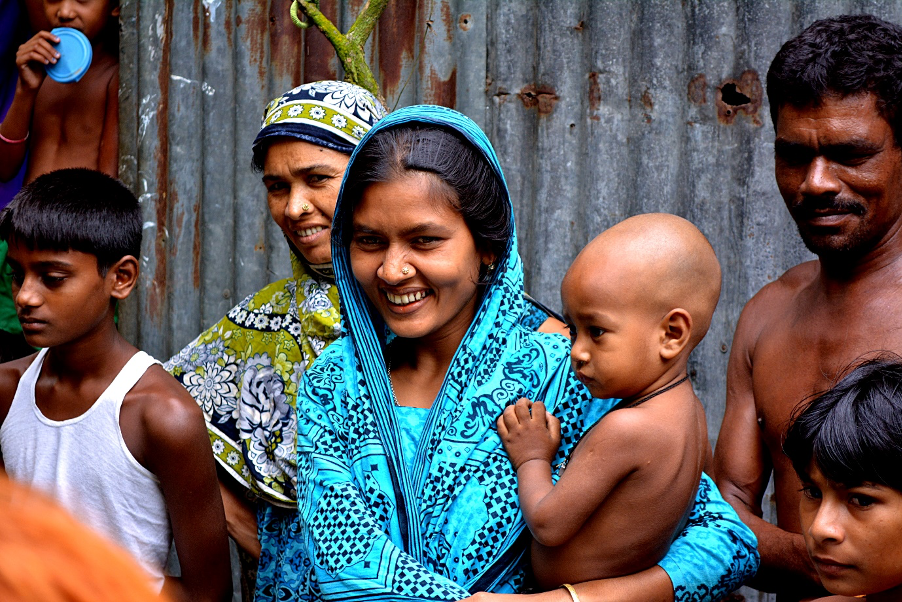
The puzzle of women’s empowerment and their health in urban Bangladesh
Gindo Tampubolon, Lecturer in Poverty, Global Development Institute
Empowering women is firmly recognised as a key driver to development and empowered women an essential achievement of it. They can take part in the political affairs of the nation more actively, in the lives of their communities more freely, and in the livelihoods of their families more effectively. Much has been written about empowerment and our understanding has been enhanced by looking at its conceptual components such as resources (including education or assets), their agency (including the ability for purposeful plan and action) and their achievements (including health and livelihoods). read more…

How should the FCDO think about development in the era of Covid-19?
Professors Khalid Nadvi and David Hulme, current and former managing directors of GDI
Last week saw the merger of the FCO and DFID, to create the new Foreign, Commonwealth and Development Office (FCDO).
In the midst of a global pandemic, we believe it’s absolutely essential that DFID’s focus on reducing poverty, addressing inequalities and promoting multilateral cooperation is maintained. But at the same time, there’s an opportunity for the FCDO to think about development beyond aid programmes, as a dynamic global process that goes far beyond the traditional conceptions of ‘international’ development.

Having Faith in Development: Rethinking Development as Diasporic Religious Performativity
International Development. When you hear this what comes to mind? If at all anything does? A question that is often met with brows furrowed in confusion and the attendant “Uh”, “Um” and “So…” whenever people ask me about my area of study.
“I have no idea what that is” they would say, if courageous enough to share their unfamiliarity with what has become my academic preoccupation.
read more…