
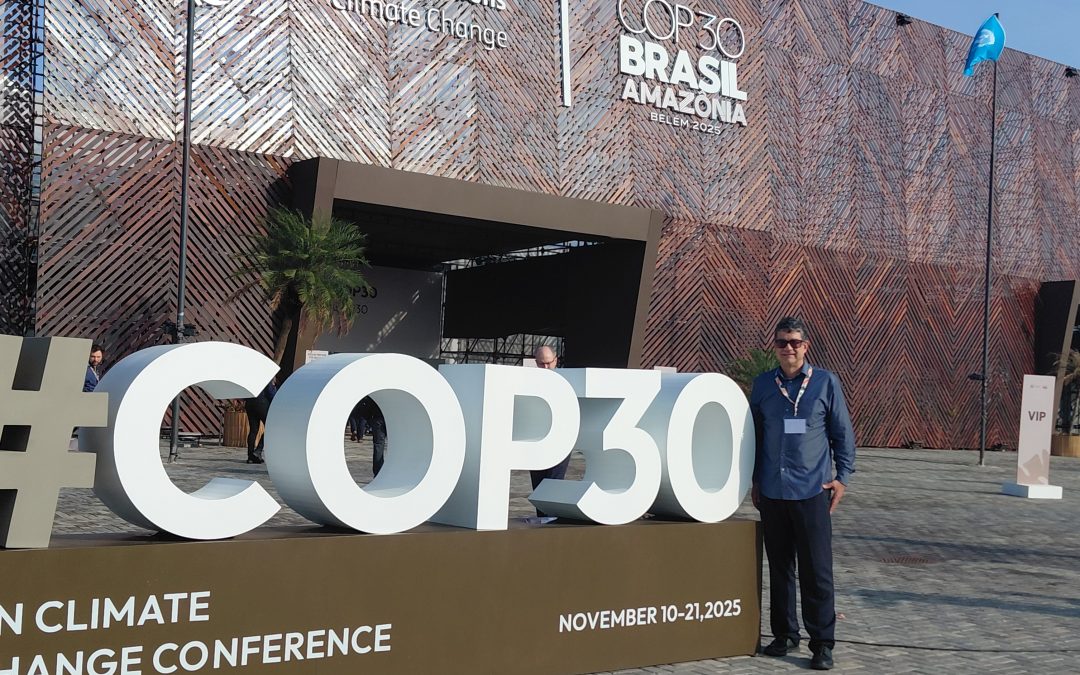
Last month, the United Nations Framework Convention on Climate Change (UNFCCC) hosted its annual conference of the parties (COP) in Belém, Brazil. Known as COP30, this year’s climate summit took place a decade after the milestone Paris Agreement at COP21, wherein countries set out pledges to help keep global temperature rises significantly below 2°C. At a moment of significant geopolitical, economic, and environmental upheaval, much has changed since the Paris Accords, with many lamenting a lack of progress towards its ambitious targets, though we have made some progress.
So, confronted with mounting criticism, what purpose do COPs serve in today’s world? Widely framed as the “implementation COP”, many expected this year’s event to concretise and follow through with mechanisms and facilities worked out during previous sessions. To make sense of COP30’s negotiations and outcomes, we caught up with José Antonio Puppim De Oliveira, Professor of Climate Change Governance and Global Development at GDI, who spent several days in Belém attending workshops and following vital negotiations.
José’s broad research interests include environmental policy and regulation, local climate change governance, cities, and biodiversity. He is currently a Coordinating Lead Author of the IPCC’s Special Report on Climate Change and Cities and is working on a project exploring global value chains in the Amazon, funded by the Amazonia+10 Initiative.
First things first – what is a COP exactly?
A Conference of Parties (COP) is, broadly speaking, a meeting where national governments negotiate, sign, and ratify agreements towards the goal of a convention. Currently, COPs take place every year to discuss progress surrounding new and emerging global challenges.
Climate change COPs follow the format of other UN international conventions – such as those focusing on biodiversity or human rights – insofar as they advance certain agendas and negotiate their implementation. COP30 took place in Belém, Brazil, but previous versions have taken place all around the world. Only a few years ago, for example, there was a COP26 in Glasgow, which established the “Glasgow Dialogue” to discuss funding for loss and damage – a resource designed to support particularly low-income countries recover from the damage caused by climate-related disasters.
What happens at a COP?
First, a lot of negotiation happens before a COP. So, when delegates arrive at the COP, much has already been negotiated. They do not start from zero. One of the most important things to happen at a COP is the follow-up of the most recent agreement and the establishment of new agreements and pledges. There is a main plenary where countries discuss issues related to the conventions, as well as various rooms where official delegates tackle specific issues such as climate finance or new types of adaptation measures, all of which take place in an area known as the Blue Zone. You need a badge to access this area, which is restricted to heads of state, official delegations, and other accredited attendees with relevant credentials.
However, there are plenty of other things going on in a space known as the Green Zone. This is run by the host country and is open to non-accredited delegates, allowing civil society groups, academics, artists and members of the public to simply turn up and connect. The space includes exhibitions, workshops, cultural events, and other features designed to encourage broad participation in the COP beyond the official delegation. There are also alternative meetings that take place beyond the zones that discuss a wide range of issues.
So, what did you get up to during your time at the COP?
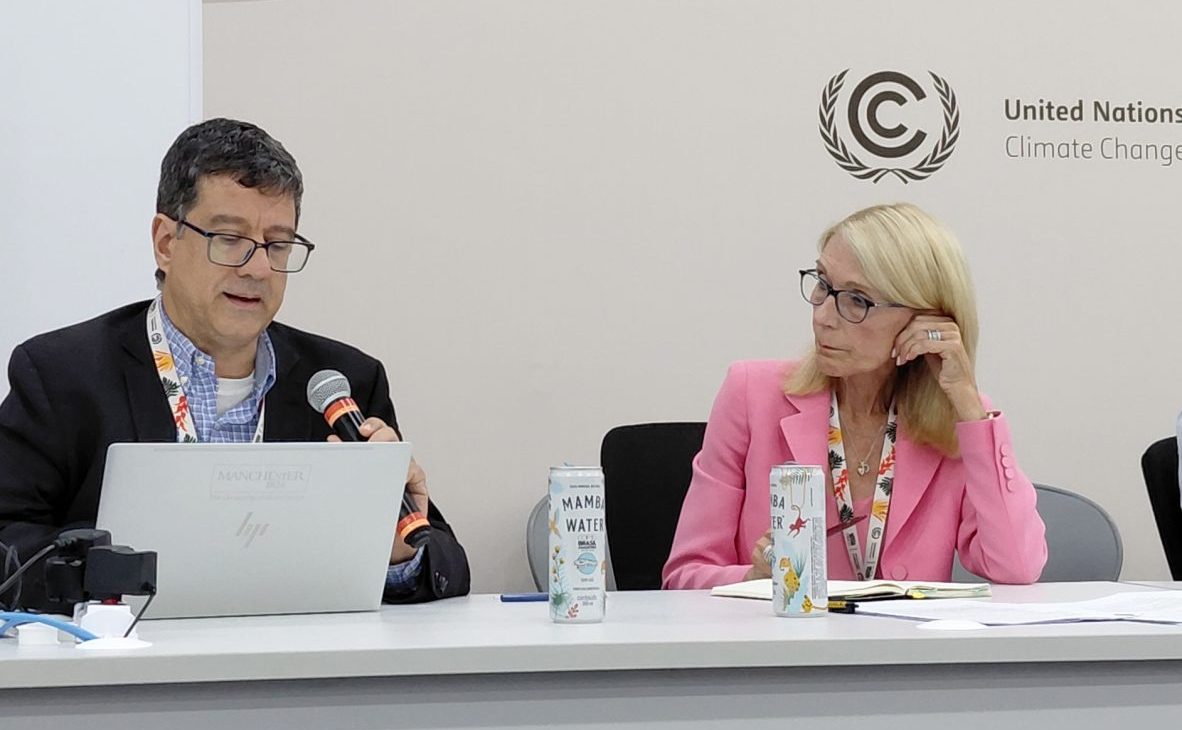
I spent much of my time following the negotiations. Although, of course, I wasn’t able to join the negotiation room with heads of state and other decision-makers, I attended press conferences and the end-of-day plenary sessions to ensure I kept up with progress.
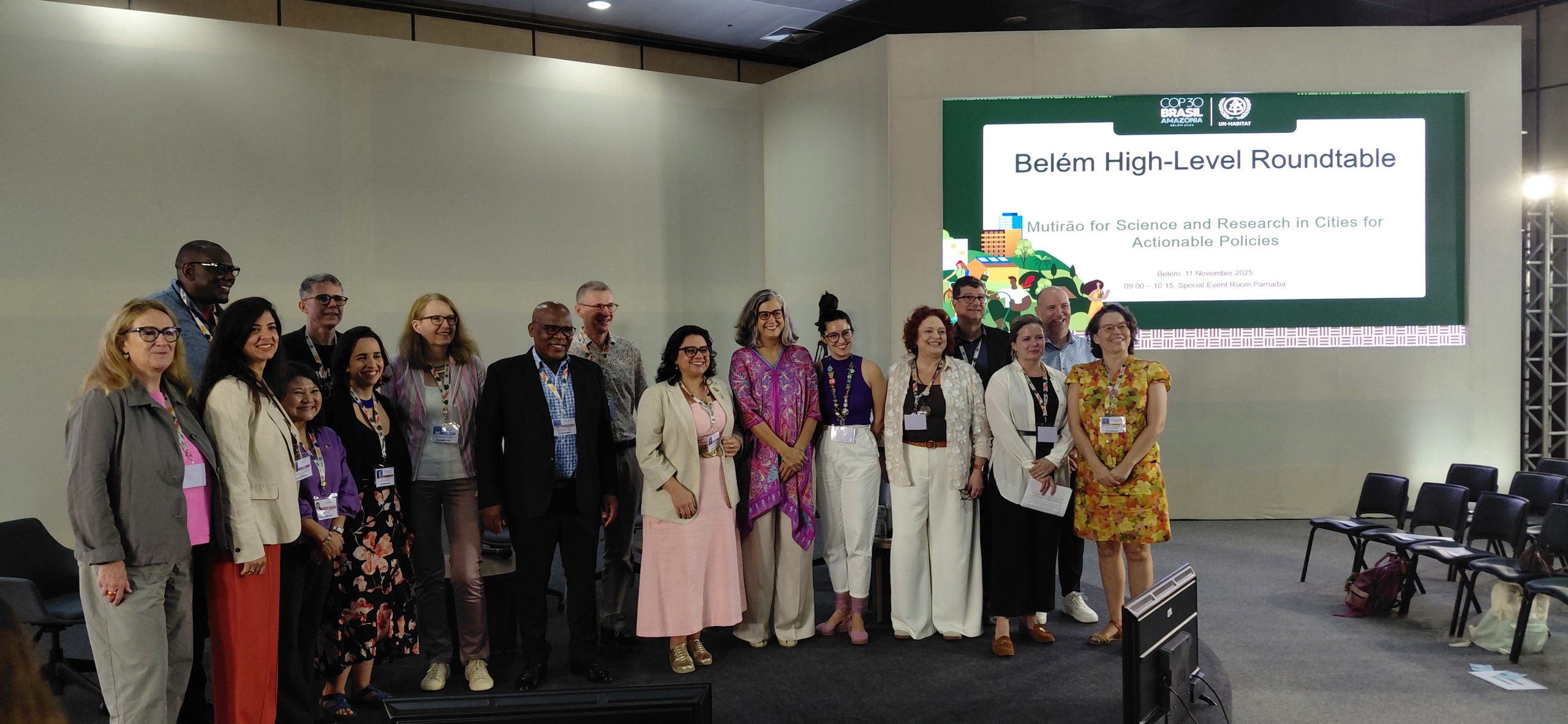
I also participated in a range of side events, including a session on bioeconomy related to the Amazon value chains project with which I’m involved, and a session regarding climate insurance. There were also two sessions on traceability in beef and support for small producers in bioeconomy – again related to the Amazon project. I took part in a high-level discussion on science and policy for cities and climate change, as well as a meeting on work I’m doing on green transitions in emerging economies, presenting a report on transnational governance. Finally, I help to coordinate a large report called GEO Brazil 2025 (Environmental Outlook in Brazil) for the Brazilian Ministry of Environment and Climate Change with support of the United Nations Environment Programme (UNEP). This report assessed the different dimensions and topics related to the environmental issues in Brazil, such as in cities, agriculture and industry.
I was there for just under a week, so I managed to fit in a substantial number of engagements and observe several sessions. However, what many people don’t realise about COP is the sheer scale of the event, meaning you spend a lot of time in queues!
If you know how to navigate the event, you can make the most of it. I usually do plenty of homework beforehand so that I know what’s happening and where, contacting people in advance so I also have time to network and share research with colleagues. It can be difficult to meet up if you don’t plan in advance, especially as the likelihood of simply bumping into people is quite low – it’s not like a typical conference in this way.
What was the significance of COP30 taking place in Brazil?
Organising a COP represents a significant undertaking for a host country, with thousands of delegates attending from across the world. This year there were around 50,000 people in attendance, with Brazil spending around £500 million to cover event costs such as security, venues and infrastructure.
So, what are the incentives to host? Basically, hosting a COP also allows country to shape discussions, at least to some extent. For example, the last two COPs took place in oil-producing countries [the UAE and Azerbaijan], so the negotiations didn’t get very far. What’s interesting about Brazil is that many of its climate challenges look different to those of other countries. While many governments struggle with the transition towards renewables and away from fossil fuels, 75% of Brazil’s emissions are related to land use, land-use change and forestry, such as burning forests for agricultural production. For this reason, there was much more attention paid to protecting forests at COP30.
It’s also worth noting the significant symbolic weight of hosting the COP in Brazil on its 30th anniversary. The UNFCCC process began in Rio de Janeiro around the time of the UN’s 1992 Earth Summit, where 154 states signed the UNFCCC. While Brazil hosted a COP for the Convention on Biological Diversity in 2006, 2025 represents the first time it has hosted a climate change COP, bringing the event back to where it was conceived.
Given the significant role the Amazon plays in stabilising the regional and even Earth’s climate, this year represented an important opportunity to call attention to issues surrounding the world’s forests and the urgent need to protect forest cover.
What made this COP unique?
As I’ve mentioned, this year saw a particular focus on forests and tropical forests, ultimately culminating in the establishment of the Tropical Forest Forever Facility (TFFF), which already has initial commitments of around 5.5 billion USD to fund projects in tropical forest areas and prevent deforestation – one of the major drivers of climate change. There was also an agreement to harmonise carbon markets, allowing people to trade offsets more easily without hampering decarbonisation efforts.
The COP was also organised into different themes, with certain days dedicated to a given theme. For example, the first two days focused on cities, which aligned with my interest in local climate governance and adaptation. In fact, a meeting of city mayors and governors took place in Rio about a week before the COP, allowing local officials to share solutions and advance unified agendas ahead of COP. This was an important event, as such actors will play a vital role in putting the kinds of frameworks and measures discussed at the COP into action.
Beyond the cities focus, the discussion in the subsequent days focused on themes including health, oceans, and so on. The negotiations themselves didn’t follow this arrangement, however.
Perhaps unsurprisingly, COPs are vulnerable to criticism surrounding their perceived lack of success or slow progress. What do you make of this?
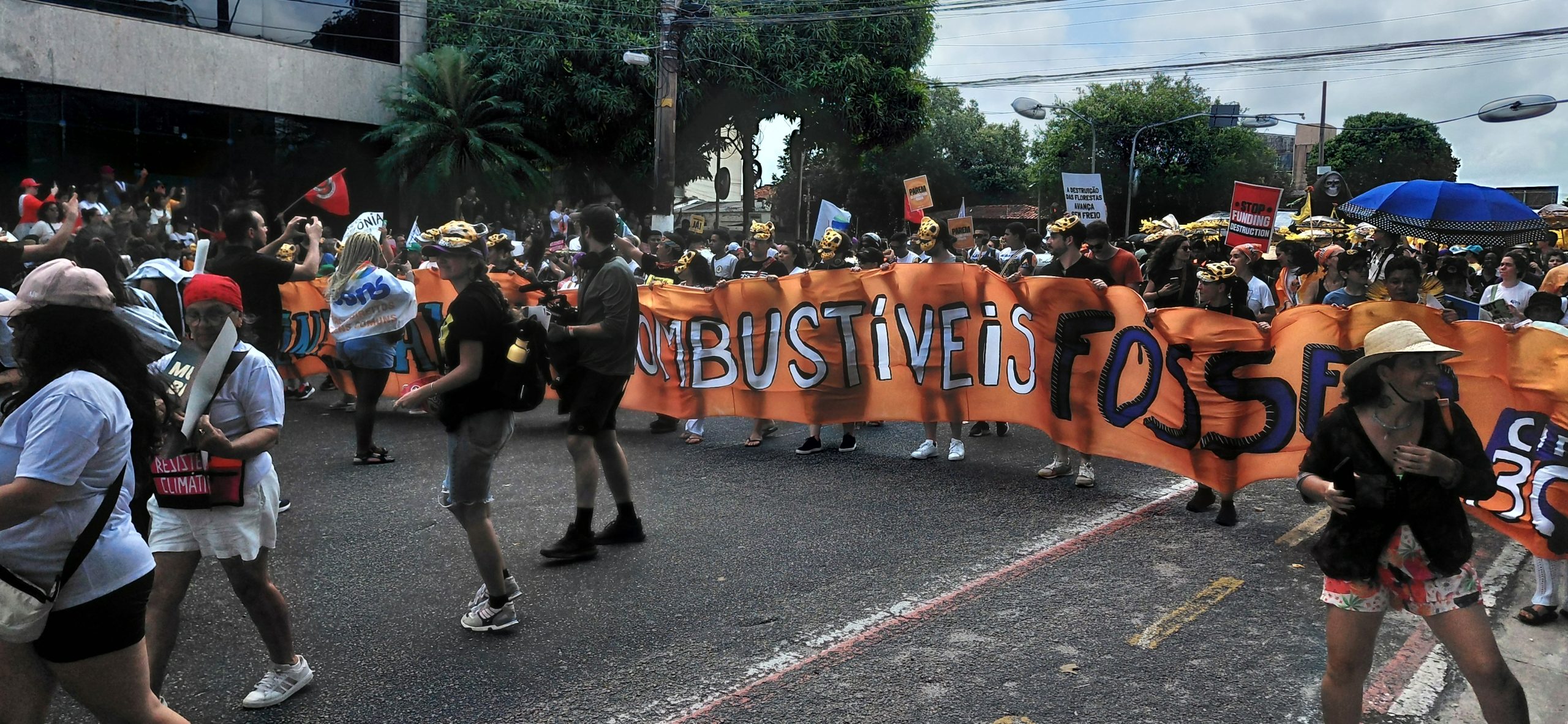
One of the main frustrations people find with COPs is that decisions can be very slow, as everything requires consensus. So, it can be very difficult to establish unified solutions in the context of current geopolitical tensions and countries’ desires to further their own interests. For example, oil-producing countries have been known to join together to prevent any measures that could hurt oil production. Even one dissenting country can obstruct the whole process, so an increasing number of experts are calling for changes to the UNFCCC’s rules.
People also criticise COPs for being too big, messy, and unmanageable. People also spend a lot of money and carbon travelling to the same area. Given that Belém doesn’t have a lot of hotels, many delegations this year struggled to find appropriate accommodation. If you ask me, COPs don’t necessarily have to take place yearly, especially as the amount of progress you can expect to make in a year is relatively minimal. Perhaps it could be every two or three years instead.
What were the main outcomes of this year’s event?
The main outcomes were the establishment of the TFFF, as well as significant progress made on issues surrounding climate finance. This progress related to Article 6 of the Paris Agreement, which was designed to foster international collaboration to help states work together, through carbon markets and financial support. As I mentioned earlier, there were efforts to harmonise these markets, with new measures to ensure integrity and transparency.
There was also some progress in defining the indicators for the Global Goal on Adaptation (GGA) and major political agreement to triple adaptation finance by 2035, but there was a lot of disagreement on other issues. It’s also worth noting that there was no mention of fossil fuels in the final document – a move which has raised concerns about the future of the fossil fuel phase-out.
Ultimately, it’s worth appreciating that nothing much concrete happens at an individual COP. Rather, the events are designed to establish broad agreements that can take years to work out in terms of implementation. If you look at progress from one year to another, nothing really changes. However, if you take a broader view across 30 years, for example, things have changed quite dramatically.
Even if you look at progress since the Paris Agreement, for example, we were on track for a world with over 3°C of warming in 2015. Although we’re still on track to go over the 2°C ceiling discussed at Paris, we’re now better in terms of trends than in 2015. What’s more, the world economy grew by a lot during this time – so there are certainly some steps in the right direction. Emissions are still going up but the curve is expected to start bending. We’re not doing perfectly by any means, but we’re making progress and there’s still reason to stay optimistic.
Note: This article gives the views of the author/academic featured and does not necessarily represent the views of the Global Development Institute as a whole
Please feel free to use this post under the following Creative Commons license: Attribution-NonCommercial-NoDerivatives 4.0 International (CC BY-NC-ND 4.0). Full information is available here.