
By Luis Camilo Oyarzún, PhD student at the Global Development Institute
What does sustainability really mean for cooperatives beyond reports, indicators, and policy frameworks? This question has guided much of my doctoral research at the Global Development Institute, and over the past year it became the starting point for a practical experiment: piloting a Cooperatives’ Observatory of Sustainability with two cooperatives in southern Chile. Thanks to the support of the GDI Innovation Fund, this idea moved from theory to practice and, more importantly, into real cooperative spaces.
Why this pilot mattered
Cooperatives are often described as natural allies of sustainable development. Their values of solidarity, democracy, equity, and concern for community closely align with the Sustainable Development Goals. Yet in practice, many cooperatives struggle to translate these principles into concrete sustainability actions that make sense for their size, resources, and context.
This pilot was not about measuring sustainability through complex indicators. Instead, it focused on something more foundational: helping cooperatives reflect on who they are, how they work together, and how sustainability can grow naturally from their values and everyday practices.
Working with cooperatives in the Los Lagos Region
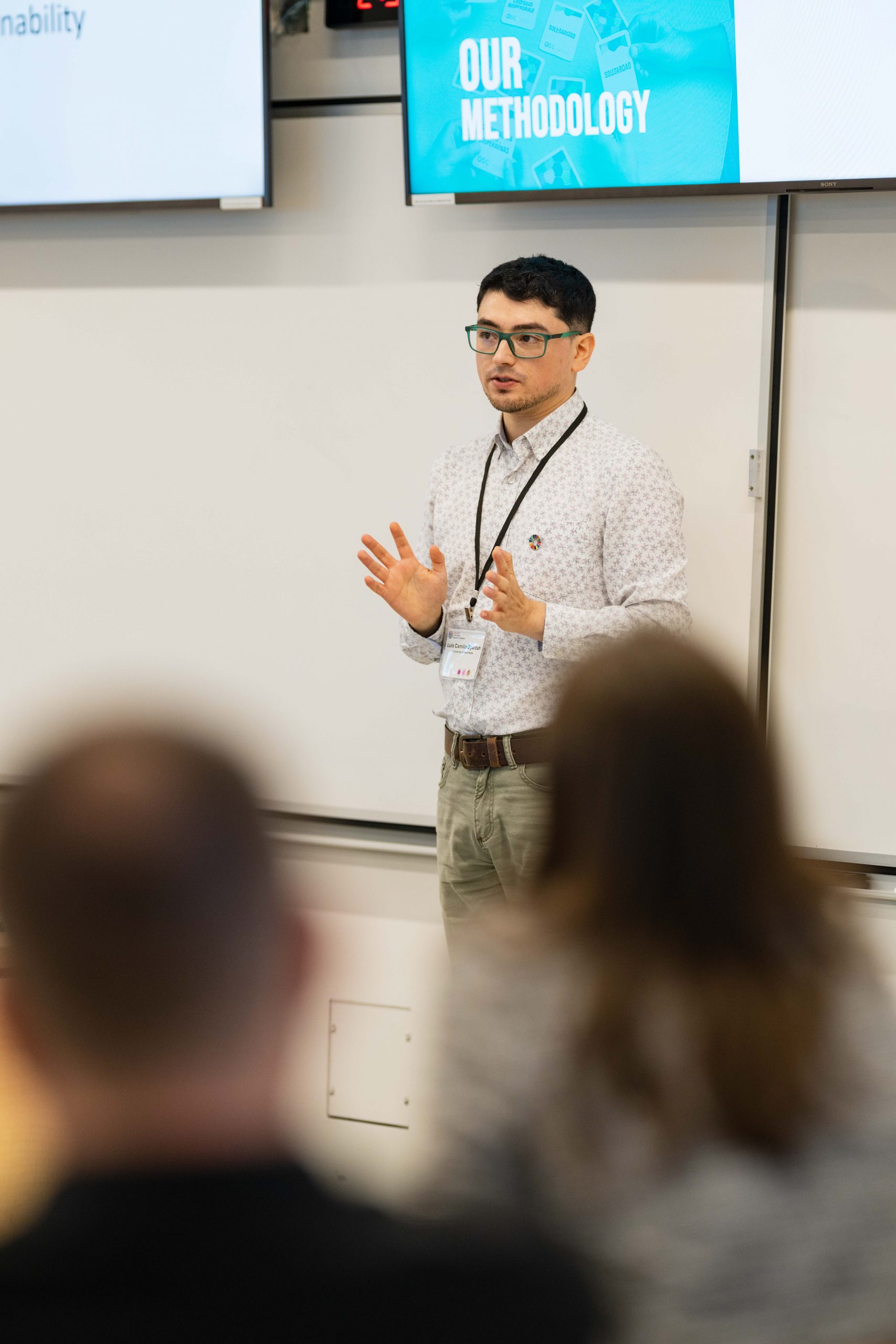 The pilot was carried out with two cooperatives in the Los Lagos Region of Chile: the agricultural cooperative Chilwe, based on Chiloé Island, and the textile cooperative Manos del Sur, based in Puerto Montt. Both organisations generously opened their doors to the process, hosting workshops in their own facilities and actively engaging in reflection, discussion, and learning.
Together, we ran a series of participatory workshops built around the PLUS+ Methodology, an approach developed as part of my research that focuses on four interconnected dimensions: Principles, Leadership, Unity, and Sustainability. Rather than starting with sustainability as a technical concept, the process began by revisiting cooperative identity, values, and ways of working together.
Learning through participation, not lectures
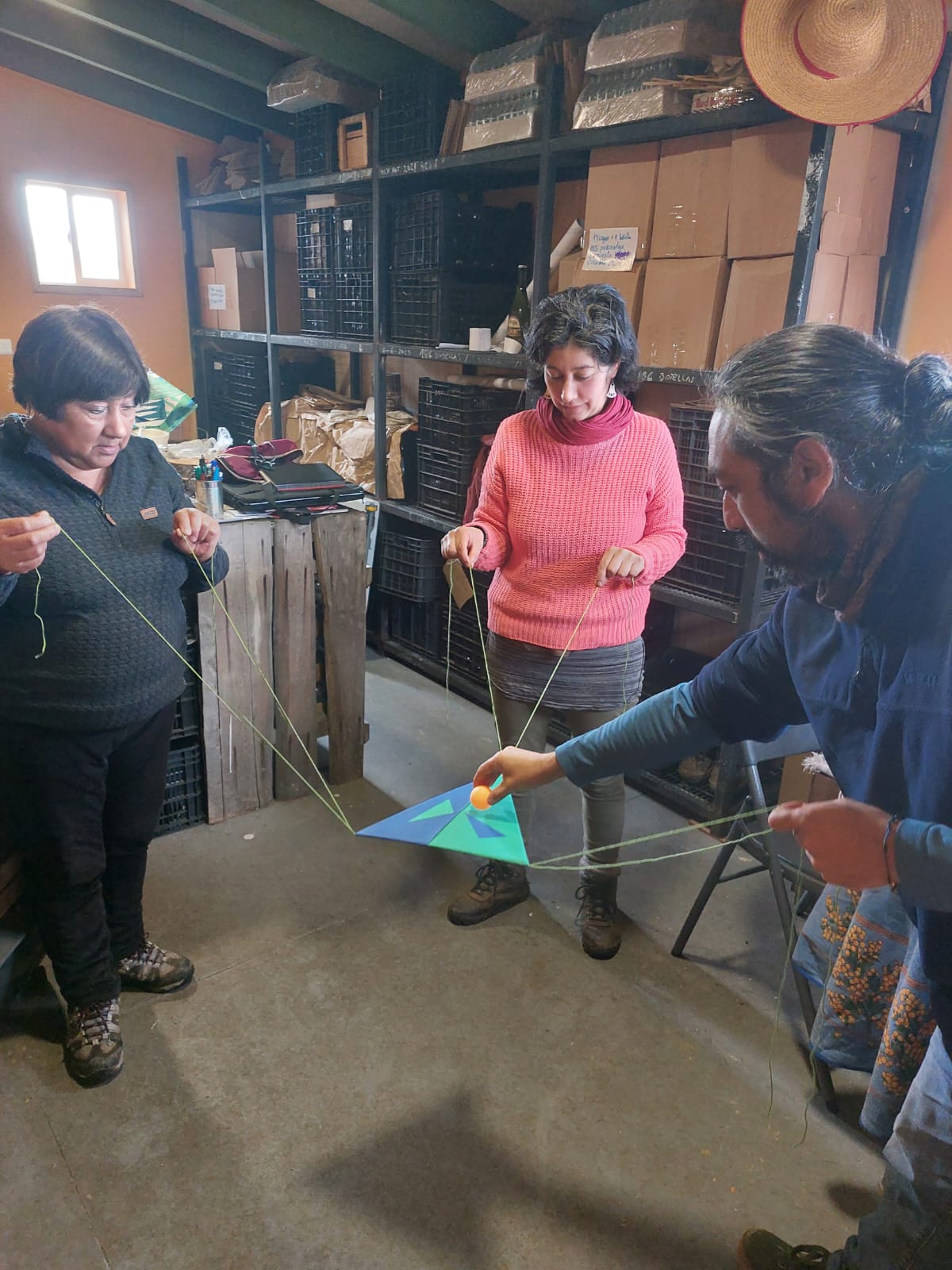
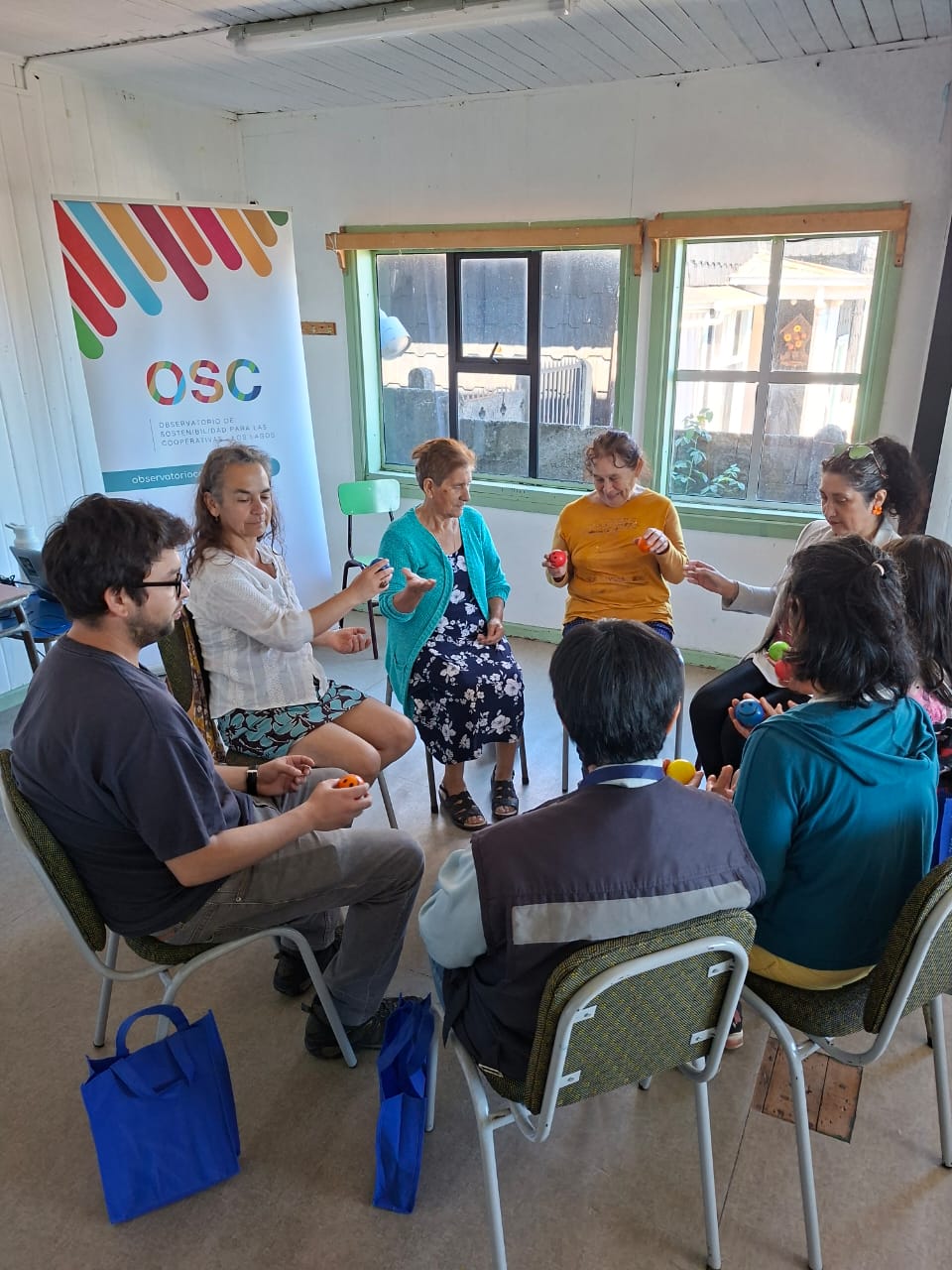 The workshops were facilitated by Paula Vlasich and Lorena Oyarzún, two experienced professionals in cooperative development and organisational learning. Sessions were highly interactive, using cards, scenarios, group exercises, and collective reflection instead of traditional classroom-style teaching.
This approach allowed members to explore questions such as what cooperative values look like in everyday decisions, how leadership and trust affect long-term sustainability, and which practices feel realistic and meaningful for their organisations. Rather than producing abstract answers, these conversations led to very practical reflections.
Participants were able to identify and act on small but concrete changes in communication, decision-making, and role clarity that they could implement immediately, without needing new resources or complex measurement systems. By starting from lived experience instead of generic indicators, sustainability emerged as something tangible, actionable, and rooted in daily cooperative life.
Institutional collaboration matters
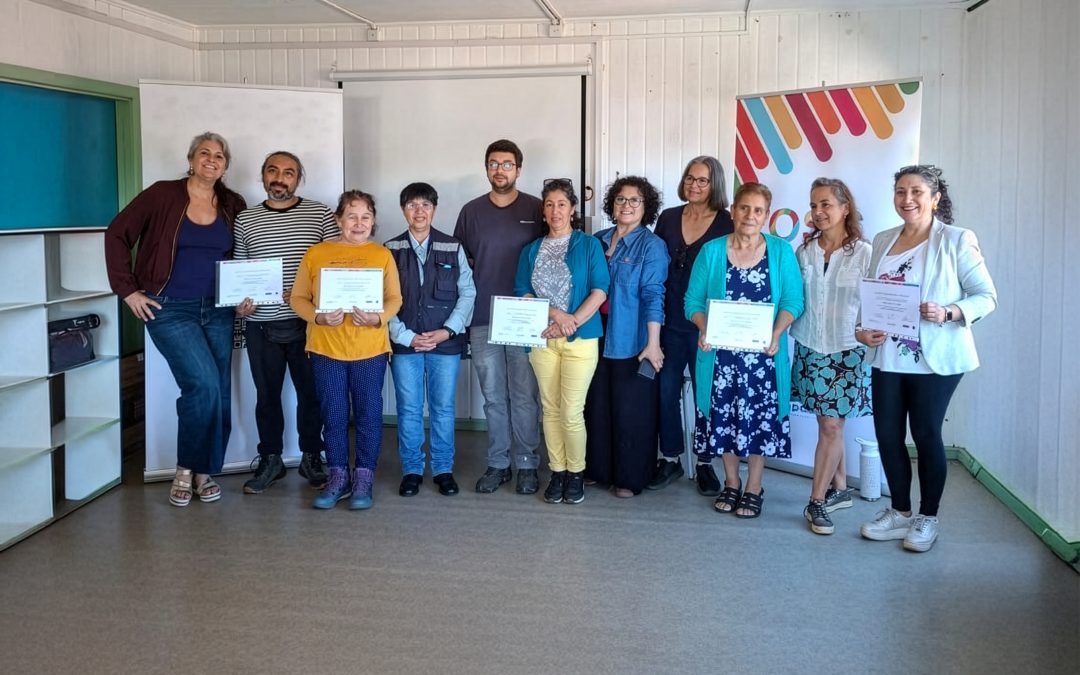
 An important moment of the pilot came during the closing event in January 2026, held on Chiloé Island. This event brought together members of both cooperatives, facilitators, and representatives from INDAP, the Chilean Institute for Agricultural Development.
The participation of Ana Miranda (PAE Programme Officer), Rolando Rojas (Area Manager, INDAP Ancud), and Diego Hinostroza (Intern) highlighted the institutional relevance of the pilot and its alignment with public efforts to strengthen cooperative development in rural and territorial contexts. During the event, institutional representatives engaged directly with cooperative members, listened to their reflections, and discussed how this type of values-based work connects with existing public programmes. Their presence helped bridge cooperative practice and public policy, reinforcing the idea that sustainability in cooperatives is not only a local concern, but also a shared responsibility supported by enabling institutions.
Sharing the experience beyond the pilot
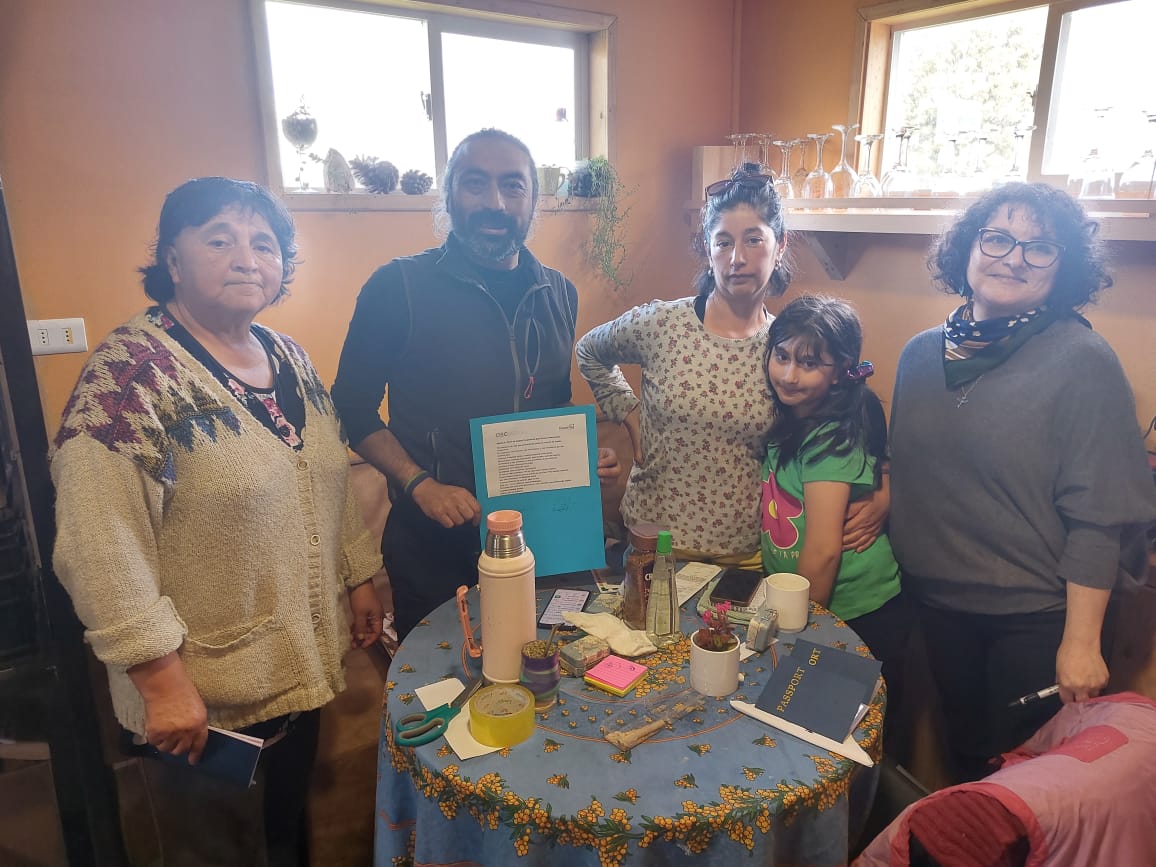 Beyond the work with the cooperatives themselves, the pilot also opened opportunities for wider public engagement. Early reflections from the project were shared at international cooperative research events, including the ICA CCR Global Conference in Montréal and the ICA Asia-Pacific Research Conference in Sri Lanka. These exchanges provided useful feedback and helped situate the Observatory and the PLUS+ Methodology within broader discussions on cooperative sustainability across different contexts.
Closing the pilot, opening new paths
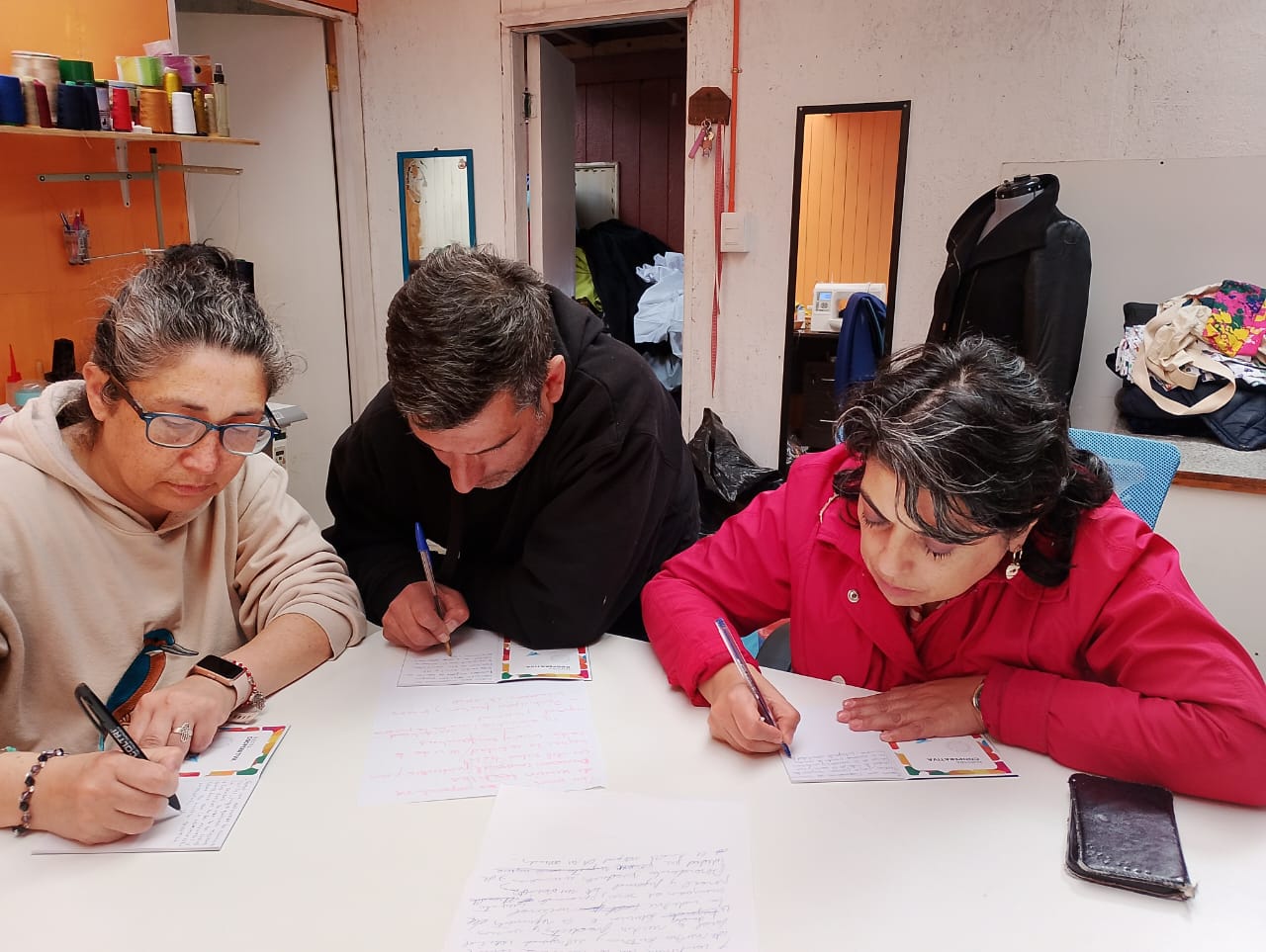 The closing ceremony was both a celebration and a moment of reflection. Participants shared testimonies about what they had learned and how the process affected their organisations. A member of Chilwe reflected that “these kinds of tools help us see things that are often invisible in our territory. Our cooperative reality here is different, and it matters that sustainability work recognises that.”
From Manos del Sur, one participant noted that “the process gave us time to stop, reflect, and calm down. It helped us reconnect with why we became a cooperative in the first place, and to see things we were not seeing before, beyond the economic pressure.”
Each participant received a certificate of completion, followed by a shared coffee break. This created an informal but powerful space to mark the end of the pilot and recognise collective effort.
What comes next
While the pilot has formally ended, the work continues. The Observatory platform is now in its final stage of development, and the team behind the project has formed IMPACTIA+, a cooperative officially registered in Chile, to continue working with cooperatives in the future.
The long-term vision is for the Observatory to become a space where cooperatives can reflect on their sustainability journeys, learn from each other, and make visible the impact they already have in their communities.
For me, this pilot confirmed something important: sustainability in cooperatives does not start with indicators. It starts with identity, values, and collective learning. When those foundations are strong, sustainability becomes less of an obligation and more of a natural path forward.
Read a full project report here.
All photos courtesy of Luis Camilo Oyarzún.
Note: This article gives the views of the author/academic featured and does not necessarily represent the views of the Global Development Institute as a whole
Please feel free to use this post under the following Creative Commons license: Attribution-NonCommercial-NoDerivatives 4.0 International (CC BY-NC-ND 4.0). Full information is available here.