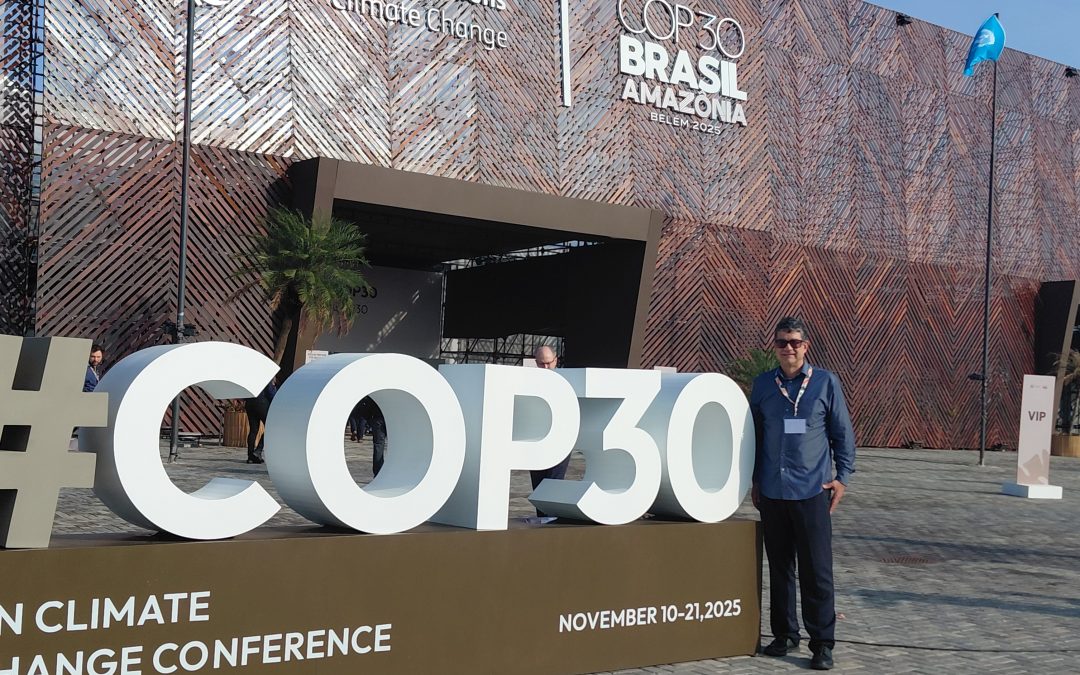
Reflecting on progress at COP30: Interview with José A. Puppim de Oliveira
Last month, the United Nations Framework Convention on Climate Change (UNFCCC) hosted its annual conference of the parties (COP) in Belém, Brazil. Known as COP30, this year’s climate summit took place a decade after the milestone Paris Agreement at COP21, wherein countries set out pledges to help keep global temperature rises significantly below 2°C. At a moment of significant geopolitical, economic, and environmental upheaval, much has changed since the Paris Accords, with many lamenting a lack of progress towards its ambitious targets, though we have made some progress.
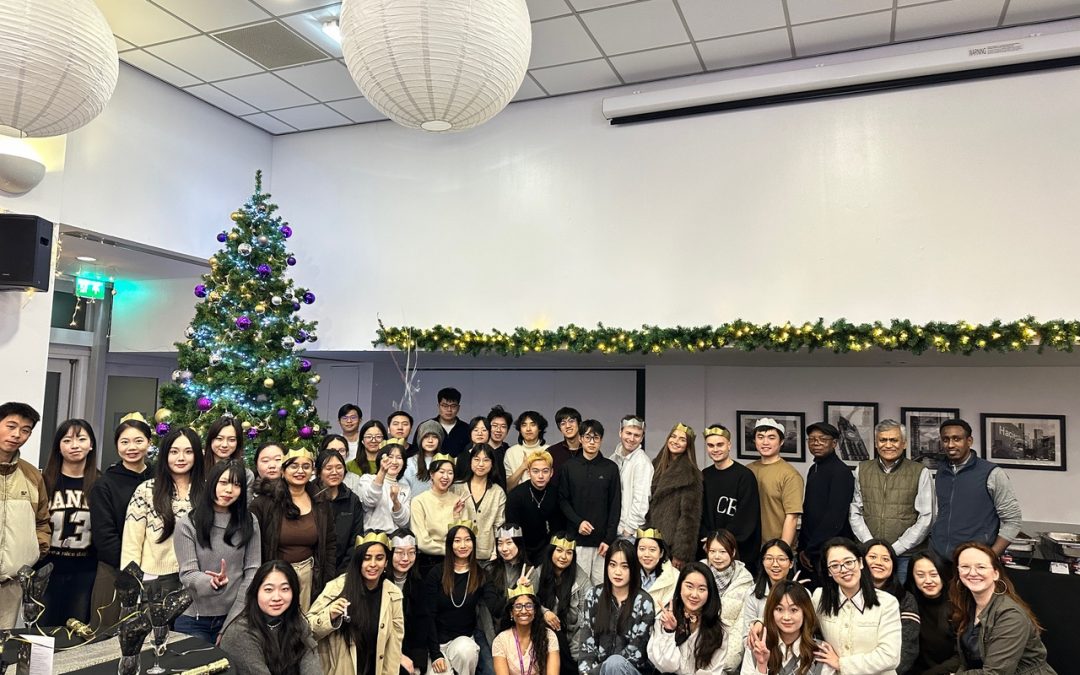
Taking a pause: wellbeing, warm conversations, and a sense of belonging
Dr. Lujia Feng, Programme Director, MSc Human Resource Management (International Development), writes about the mental health session & social dinner on Tuesday, 25th November 2025 for students on the course.
As we move toward the end of Semester One, our students have found themselves deep in the familiar whirlwind of the essay-writing period, juggling readings, deadlines, revisions, and the emotional weight that often comes with academic pressure. Add to that the challenge of settling into a new country and a new learning environment, and it’s no surprise that many students have been carrying their stress not just in their minds but in their bodies. Watching this unfold, I felt strongly that what we needed was not another reminder about time management, but a moment to pause, to breathe together, reflect, and reconnect. That was the spirit behind our mental health session and social dinner in the Pendulum Hotel on Tuesday, 25 November 2025, a gentle invitation to step out of the rush and into community.

A Paradigm Shift in Global Development and Development Assistance: What does it mean for the developing countries?
by Mahtab Uddin
Doctoral Researcher, GDI, the University of Manchester
Assistant Professor, Economics, University of Dhaka
For decades, the promise of global development was rooted in a simple idea: the world, though unequal, could move forward together. Richer countries would support poorer ones through aid, trade, and investment, not out of charity, but out of shared interest and historical responsibility. However, that tide is shifting with the increased geopolitical tensions in the Middle East and Europe, and the rise of ultra-nationalism in the Western world.
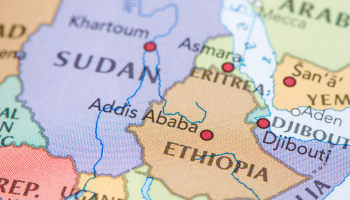
Shifting Contours of Conflict: War and Cross-Border Migration in the Horn of Africa
by Tekle Weldemichel (Lecturer in Environment and Development at GDI) and Hussein M. Sulieman (Research Fellow at GDI)
The Horn of Africa (HoA) has, in recent years, been going through one of the most acute episodes of political and humanitarian crisis in its modern history. Ethiopia and Sudan, two of the largest countries in the region, have been engulfed in devastating wars that have reshaped regional dynamics, intensified humanitarian emergencies, and transformed long-standing patterns of cross-border movement.
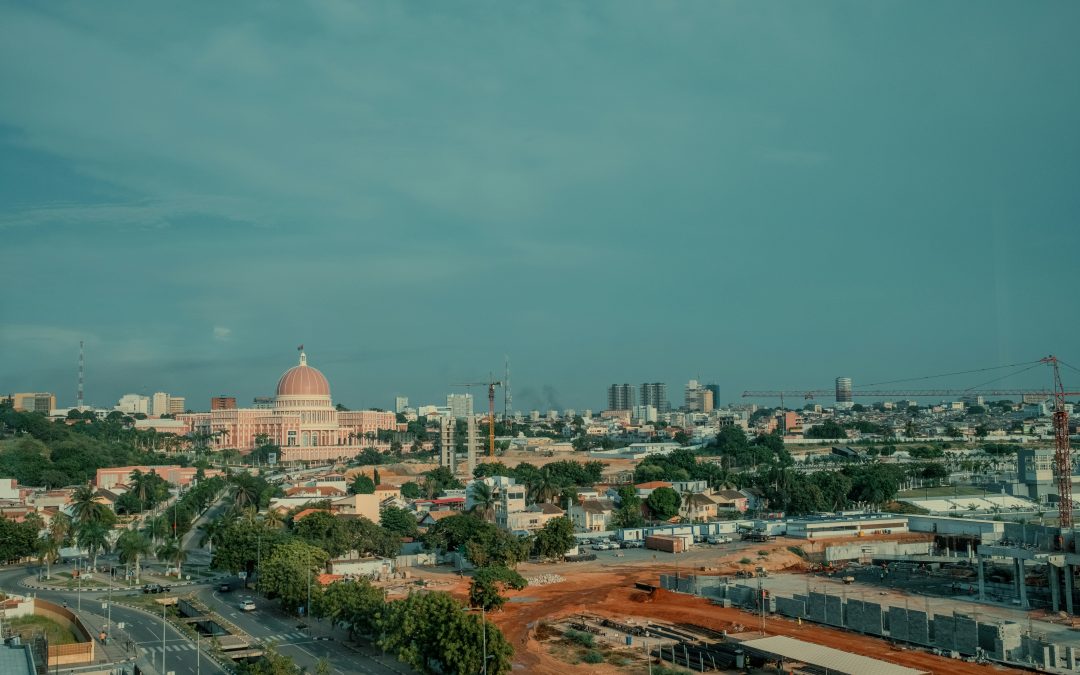
Call for papers: Envisioning Labour-Led Urban Development
CALL FOR PAPERS
Workshop: Envisioning Labour-Led Urban Development
Global Development Institute, University of Manchester
Thursday to Friday, 23-24 April 2026
Please find below a full description of the workshop focus and three thematic areas.
Workshop organisers: Debolina Majumder and Michaela Collord
Drawing from Benjamin Selwyn’s (2017) concept of “labour-led development,” critiques of existing paradigms of sustainable and just transitions, and hybrid movements espousing the right to the city, this workshop aims to collectively envision the key features of what we call “labour-led urban development” (LLUD) in the Global South.
We will explore what “just” urban development looks like from the perspective of the urban working-classes. What alternatives to existing capitalist development paradigms might this perspective entail? And what forms of organisation and struggle—past and present—have helped realise these visions? read more…
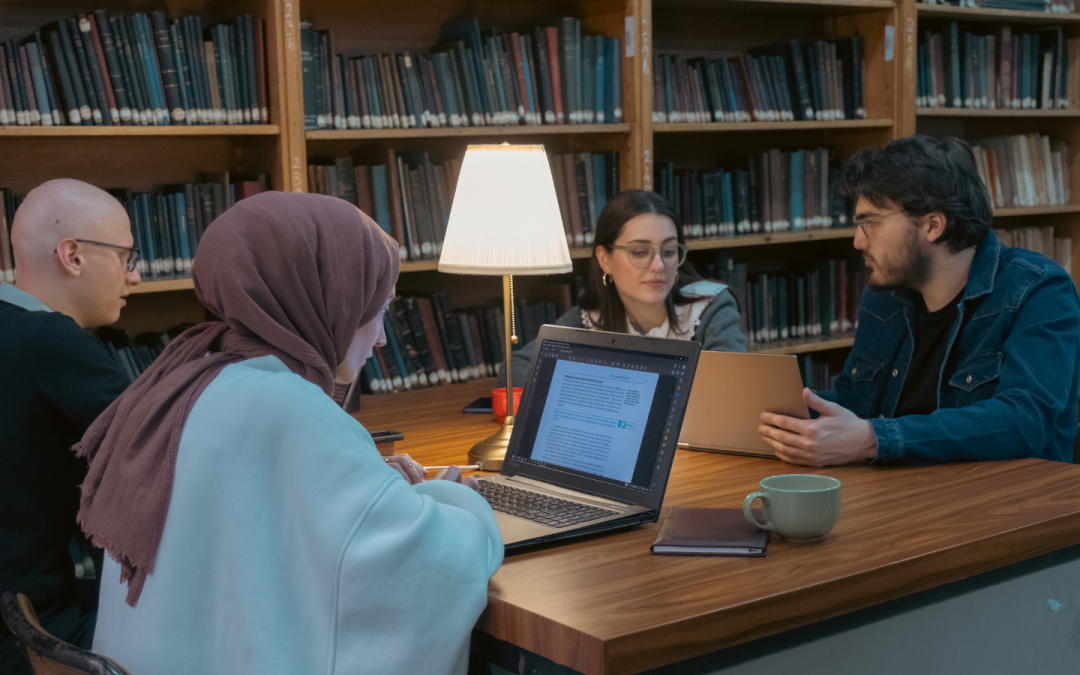
New Professional Futures Programme Will Prepare GDI Students to Flourish in their Careers
by Dr Kelechi Ekuma, Senior Lecturer in Management, Governance and Development and GDI Employability Lead
Higher education can transform a person’s life prospects, broaden their horizons and equip them with the knowledge they need to pursue an exciting and fulfilling career. However, even the most academically accomplished graduates can struggle to take their first steps in the world of work due to a problem known as the “skills gap”.

Belonging and connection: The role of social cohesion in community resilience
We recently hosted the fourth instalment of our community of practice series designed to support development practitioners navigating difficult social, economic, and political circumstances. Having previously explored issues such as personal resilience, organisational toxicity, and the vital role of hope in combatting despair, we turned our attention to the importance of social cohesion in building resilient communities and organisations prepared to navigate adversity.
As ever, Natalie Cunningham, Senior Lecturer in Leadership for Development at GDI, facilitated the discussion alongside Louisa Hann, Research Communications Officer at the institute. Natalie started by considering what social cohesion means across different contexts, especially given its multiple and contested definitions.
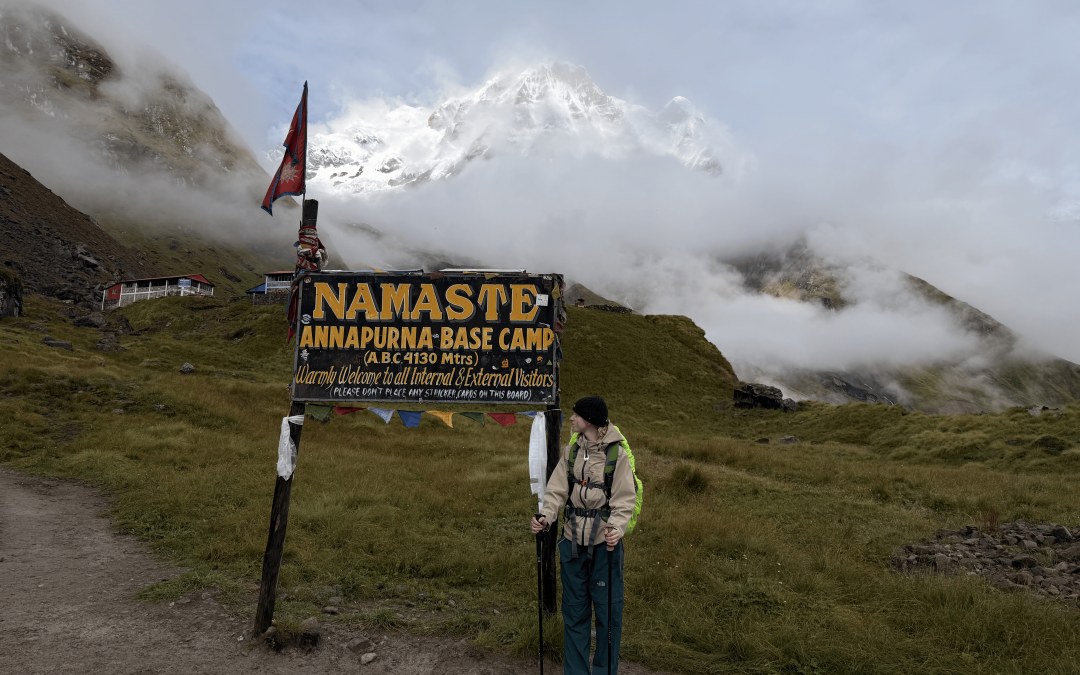
Teaching and Trekking in Kathmandu, Nepal
In this blog, Evie Taylor, undergraduate student on GDI’s Global Development course, recounts her eye-opening summer travels in Nepal.
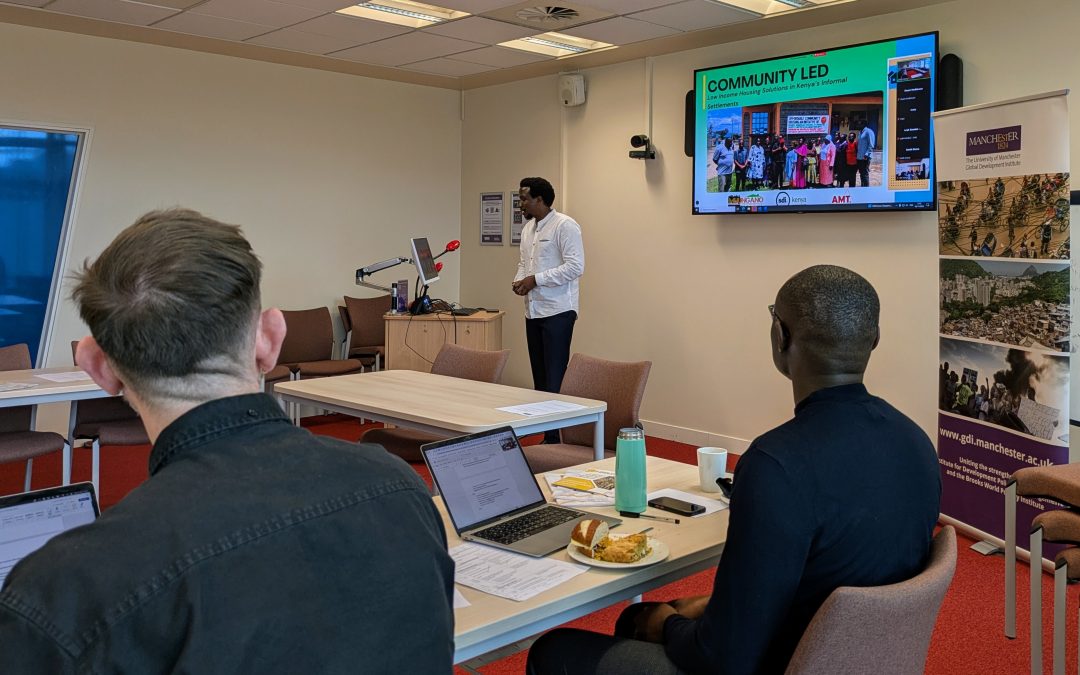
Cross-city learning to address the global housing challenge
By Isis Barei-Guyot, Tom Gillespie and Smith Ouma
On 4 November 2025 Zohran Mamdani was elected Mayor of New York City. The 34-year-old Democratic Socialist campaigned on the issue of urban affordability and took on the city’s political and real estate establishment by promising to build public housing and freeze rents.

GDI Digest: Behind the Headlines
by Louisa Hann
In these times of economic and geopolitical upheaval, global development issues have been making frequent headlines. In recent months, for example, we’ve seen the controversial opening of the Grand Ethiopian Renaissance Dam (an infrastructural project explored at length in Tom Lavers’ recent open access book, Dams, Power, and the Politics of Ethiopia’s Renaissance), devastating flooding in Pakistan impacting its agriculture and economy, the decimation of aid programmes such as USAID (as discussed in our webinar co-hosted with the Development Studies Association), and the continued struggles of Palestinians (an issue explored in depth in a recent conference organised by the GDI Students for Palestine group).