
by John Loomis
Brazil’s National Bioeconomy Development Plan reflects the Government’s commitment to addressing mounting planetary crises while delivering prosperity to the Brazilian people. Part of this plan involves the recent launch of Prospera, a programme supporting economic activities that draw on biodiversity and the knowledge and livelihoods of Indigenous peoples and traditional communities.
In my new paper co-authored with Khalid Nadvi and José Antonio Puppim de Oliveira, we examine what achieving this aim might look like in practice via two distinct and essential sectors – sugarcane and cosmetics. In São Paulo, sugarcane mills generate electricity from the fibre left after crushing cane. In Amazonas, forest cooperatives supply seeds and oils used in cosmetics, with Brazilian companies in both industries selling into international markets. So, what can public institutions deliver for those who harvest, process, and sell these products?
How public institutions shape what producers can do
In São Paulo, the government has been reducing its reliance on fossil fuels by improving the competitiveness of biofuels through federal incentives such as tax relief. State initiatives, universities and industry research centres helped mills and growers develop and adopt new processes. That coordination built capacity over decades, making it easier to find uses for sugarcane residues, including electricity, biogas and fertiliser. While the biofuels market has generated positive environmental impacts, the industry’s intensive use of land and water, as well as its uneven distribution of benefits, remain issues for policymakers to address.
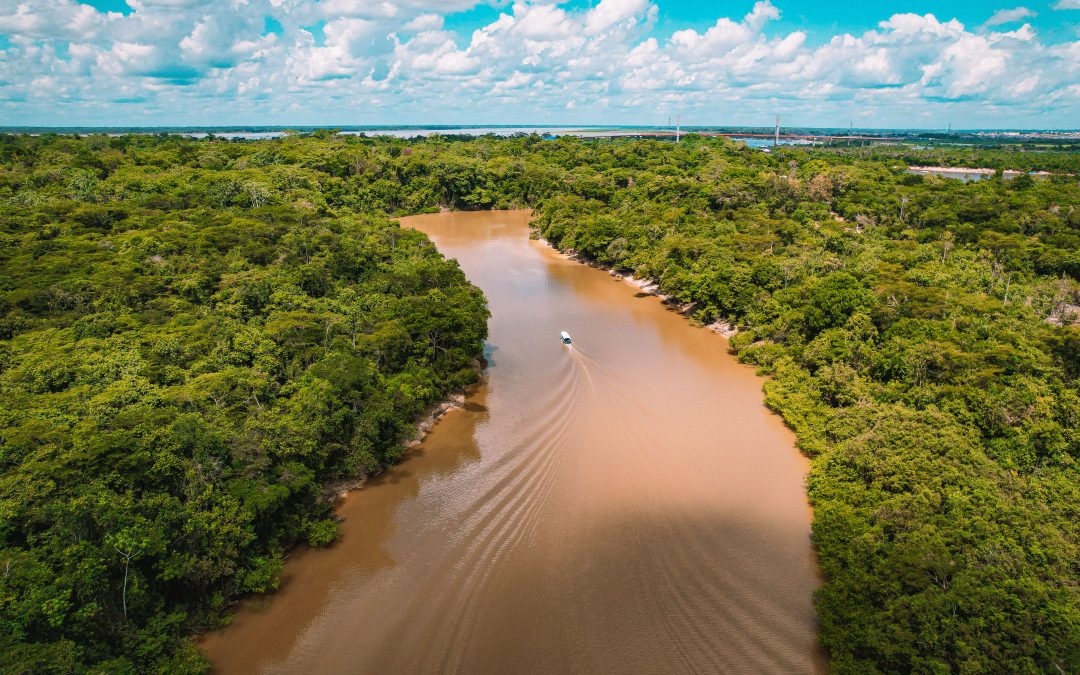
In Amazonas, state industrial policy has historically focused on manufacturing around Manaus. Support for businesses that depend on forest ingredients has developed unevenly. Cosmetics companies, cooperatives and NGOs have taken on much of the work of organising sourcing and providing technical support – partnerships that can bring in income. When river transport is costly and there are few other buyers, cooperatives can have limited room to negotiate. The two industries differ in scale, capital and geography, all of which shape the kinds of support that work.
What this means for sociobioeconomy policy
National governments can set funding priorities and rules for sharing benefits. State and local institutions can organise services that individual producers struggle to access. For example, shared ingredient-testing facilities could mean the difference between securing and losing a second sales contract for a forest cooperative. Technical support for community management of harvests could help ensure that producers can meet new demand within the forest’s ecological limits.
For developing economies with large differences between regions, the Brazilian cases offer a way to assess where public investment would help. In one region the priority may be applied research. In another it may be working capital, transport or access to more buyers. A sociobioeconomy strategy should give communities a say in choosing those priorities. Its success can be judged partly by whether they gain a stronger position in the markets they help create and more control over how local resources are used.
Read the study in the Journal of Economic Geography.
Image by Nando Freitas.
Note: This article gives the views of the author/academic featured and does not necessarily represent the views of the Global Development Institute as a whole.
Please feel free to use this post under the following Creative Commons license: Attribution-NonCommercial-NoDerivatives 4.0 International (CC BY-NC-ND 4.0). Full information is available here.