
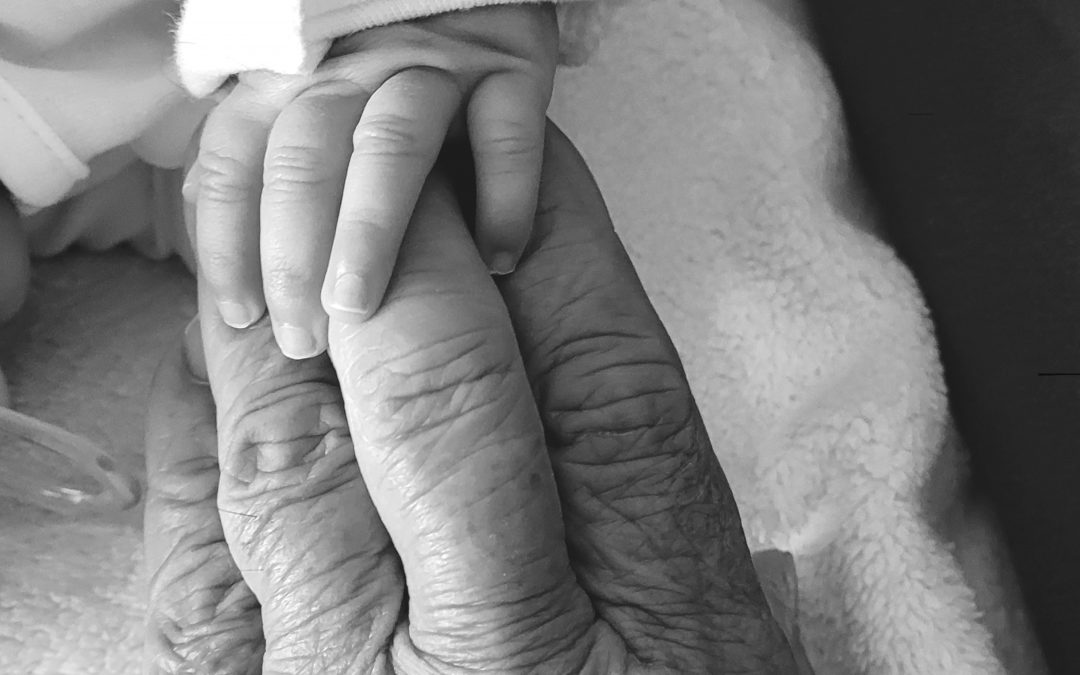
Yesterday, Prime Minister Andy Burnham proposed a National Care Service, free at the point of need, modelled on the National Health Service. The proposal is personal. Alzheimer’s disease recently robbed him of his father, who did not know that his son had reached Number Ten.
Many families will recognise this story. Cognitive decline is among the most feared consequences of ageing. It strips away independence, relationships and, eventually, memory itself. As Britain debates how best to care for older people, a question deserves attention: when does healthy ageing begin?
My new study, published today in Scientific Reports, suggests it could be much earlier than we think.
For decades, social scientists and policymakers have hoped that education and social mobility could help individuals overcome childhood disadvantage and make society more equal. There is some evidence for this notion, after all. In the years following the Second World War, for example, Britain expanded secondary education provision to children of all backgrounds, helping many achieve qualifications and occupations their parents could never have imagined. If such measures work as intended, childhood circumstances should gradually have less of a bearing on individuals’ career opportunities and quality of life.
However, the evidence suggests childhood still matters in shaping people’s quality of life in their later years and promoting social justice, especially for long-term memory.
Using the 1958 National Child Development Study, which has followed thousands of Britons from birth to age 62, I examined whether education and work-life social mobility eliminate the association between childhood social class and memory in later life. Rather than relying solely on conventional memory tests, participants were asked to recall two facts about their childhood home (five decades earlier), and their answers were validated against records collected when they and their mothers were visited.
The findings are striking. Only two in five participants accurately recalled both childhood facts after half a century. More importantly, childhood social origins continued to mark long-term memory even after accounting for education, upward social mobility, childhood cognitive ability and adult economic achievements. Among men, those from professional families were 13 percentage points more likely to possess accurate long-term memory than those born into working class families.
Education helped. Social mobility helped. But neither fully erased the imprint of childhood disadvantage.
The lesson for today is straightforward. A National Care Service is essential. It would support individuals and families facing the realities of frailty, dementia and cognitive impairment in later life. But it is fundamentally a downstream intervention. It responds to needs after they emerge. The evidence from this study points upstream.
The roots of cognitive inequality in old age extend back to childhood. This is consistent with a growing body of evidence showing that childhood poverty casts long shadows across the life course, shaping later-life risks of frailty, multimorbidity, depression, dementia and now long-term memory.
The United Nations Decade of Healthy Ageing argues that societies should add life to years, not simply years to life. The new evidence suggests that achieving this ambition requires more than building a National Care Service. It requires reducing child poverty, improving housing, supporting families and widening opportunity from the very beginning of life.
Britain undoubtedly needs a National Care Service. But a national care strategy should also be a national childhood strategy.
Image credit: Fernando Yllescas
Note: This article gives the views of the author/academic featured and does not necessarily represent the views of the Global Development Institute as a whole, AEDHH, or Bread for the World.
Please feel free to use this post under the following Creative Commons license: Attribution-NonCommercial-NoDerivatives 4.0 International (CC BY-NC-ND 4.0). Full information is available here.