Are we geographers? Reflecting on the American Association of Geographers conference 2016

The Global Development Institute held a launch celebration overlooking the Golden Gate Bridge bringing together 45 geographers from 18 different universities. Photo: Kristen Shake
By Aarti Krishnan, PhD researcher
As 8000 geographers, and a smattering of development and politics scientists descended on the streets of San Francisco for the recent Annual American Association of Geographers (the crème de la crème of geography conferences), the air was filled with a sense of intellectual prosperity.
The Global Development Institute was there in full force. We organized 3 sessions, had over 7 presenters, and several staff members who were discussants on numerous panels and sessions (full details below). We presented work on a range of topics from beyond imperialism to inclusive urban cities, from conflict and displacement to remaking the global economy. I heard stories of struggle, inequality, climate vulnerability and conflict, which just reinforced the fact that we live in a fragile and terrifying world. To solve a problem, we must first try to understand it, so I sought to attempt to comprehend the contribution of geography to the broader development debate, especially the Sustainable Development Goals (SDGs). The SGDs, particularly to development specialists are so important because they aim to build a resilient world in the face of this fragility.
Many geographers feel excluded from the SDG process. Some state that the SDGs are not systematic and are essentially a cumulative sum of everything that development stakeholders wanted. A few also believe that many of the goals are discursive and thus may counteract each other leading to paradoxes. So in this scenario – how do different specialties within geography truly engage with development and what role can geographers play?
To answer these questions let me first point out that geography in and by itself encompasses a plethora of specialties including: animal, applied, business, climate, communication, cultural, political, development, disability, economic, energy, environment, ethics, ethnic, information systems, goods and agriculture, education disasters, health, historical, indigenous, polar, regional development, financial geographies – and so on! This goes to show how fluid geography is and how it has grown to become an inter and multi disciplinary subject itself. This has enabled many geographers to engage with the SDGs far more than one would have previously imagined.
Throughout my time at the AAG, I came to understand that geographers aren’t there to reinvent the SDGs. Re-inventing would mean creating new imaginary discursives for SDGs. Instead, geography seeks to comprehend the imaginary that already exists by making sense of complex global and local relations. The way it does this is by providing in-depth rich empirical substance that helps create more informed, progressive critical goals. It narrows and improves scope and legitimizes the work done by grassroots practitioners. Hence, geographers help with the little things, the everyday stories that span several specialities which cumulatively add up to building resilience at macro scales.
My experience has helped me realize that a sense of ‘place’ pervades various specialties of geography. The fact that territoriality provides identity, moving beyond physical borders to shape and reshape communities and countries. It permeates the very meaning of who we are, where we come from and possibility where we go from here. It is then our duty as academics (critical thinkers or radical idealists) to seek to truly understand and make more sustainable this ‘place’ – be it this world, country, community or a person.
I, along with many of my colleagues at GDI have often thought of ourselves as development specialists. However, after my time at the AAG, I ask myself, does development fit into the remit of geography or does geography fit into development? I can no longer draw a clear cut distinction between the two disciplines. So to answer whether we are geographers? The conclusion I have drawn is that there is a little bit of a geographer in all of us!!
Aarti Krishnan won the Economic Geography Specialty Group Best Student Paper award for “Expansion of regional value chains: The case of Kenyan horticulture”, which demonstrates how regional value chains evolve into global value chains in the marketing of agricultural produce.
Global Development Institute presenters:
Uma Kothari: ‘Transnational networks of resistance: contesting colonial rule and the politics of exile’ in a session-titled: Beyond Internationalism II: More-than-national thinking at the twilight of Empire (1850-1950). She also was a discussant for a session on Theorising development in turbulent times and chaired a session on Celbritized aid and advocacy encounters.
Diana Mitlin: ‘Understanding inclusive cities: insights from India’ in a session on Urbanization in South and Southeast Asia.
Luis Perez: ‘Losing Home following Conflict and Displacement’ in a session called Home: Life on the Margins of Home III: Mobility and Belonging.
Matthew Alford: ‘Public and private governance in South African fruit global production networks: complementary, but who benefits?’
Rory Horner: ‘Upgrading within South-South production networks: health and economic dimensions in South Africa’s pharmaceuticals’.
Rachel Alexander: ‘Governance for Sustainability in Global Production Networks: Exploring the Case of UK Retailers Sourcing Cotton Garments from India’.
Aarti Krishnan: ‘What’s the point of environmental upgrading? Comparing Kenyan horticultural farmers supplying different end markets’. She also organised (along with Stefano Ponte from Copenhagen Business School) three sessions within the Remaking the global economy stream with a sub-theme of Global Production Networks and the Environment.
300 economists call for tax haven crack down
Global Development Institute Professors David Hulme and Kunal Sen have joined with 300 other top economists, calling on world leaders to “lift the veil of secrecy” surrounding tax havens.
The letter, reproduced in full below, comes ahead of a global Anti-Corruption summit, which will be chaired by David Cameron on Thursday. Thomas Piketty, Angus Deaton, Ha-Joon Chang and Jeffry Sachs are fellow signatories and it has been covered by the BBC, Guardian, FT and Telegraph among others.
In a forthcoming book entitled ‘Should Rich Nations Help the Poor?’, David Hulme highlights that:
“A vast and well-paid network of lawyers, accountants and financiers based in offshore tax havens support multinational companies in profit-shifting and wealthy people in hiding their ownership of companies.”
To assist lower income countries in their efforts to generate domestic tax revenues, Hulme argues that rich nations should do much more to stamp out tax avoidance and evasion through changes to international rules and a step change in tax transparency.
Following revelations within the Panama Papers, including the financial resources being sucked out of many African countries, we hope the Anti-Corruption summit this week inject new momentum towards the creation of a more equitable global tax system.
Dear world leaders,
We urge you to use this month’s anti-corruption summit in London to make significant moves towards ending the era of tax havens.
The existence of tax havens does not add to overall global wealth or well-being; they serve no useful economic purpose. Whilst these jurisdictions undoubtedly benefit some rich individuals and multinational corporations, this benefit is at the expense of others, and they therefore serve to increase inequality.
As the Panama Papers and other recent exposés have revealed, the secrecy provided by tax havens fuels corruption and undermines countries’ ability to collect their fair share of taxes. While all countries are hit by tax dodging, poor countries are proportionately the biggest losers, missing out on at least $170bn of taxes annually as a result.
As economists, we have very different views on the desirable levels of taxation, be they direct or indirect, personal or corporate. But we are agreed that territories allowing assets to be hidden in shell companies or which encourage profits to be booked by companies that do no business there, are distorting the working of the global economy. By hiding illicit activities and allowing rich individuals and multinational corporations to operate by different rules, they also threaten the rule of law that is a vital ingredient for economic success.
To lift the veil of secrecy surrounding tax havens we need new global agreements on issues such as public country by country reporting, including for tax havens. Governments must also put their own houses in order by ensuring that all the territories, for which they are responsible, make publicly available information about the real “beneficial” owners of company and trusts. The UK, as host for this summit and as a country that has sovereignty over around a third of the world’s tax havens, is uniquely placed to take a lead.
Taking on the tax havens will not be easy; there are powerful vested interests that benefit from the status quo. But it was Adam Smith who said that the rich “should contribute to the public expense, not only in proportion to their revenue, but something more than in that proportion.” There is no economic justification for allowing the continuation of tax havens which turn that statement on its head.
Seeing from the South: an international exchange with South African shelter activists
By Dan Silver, Diana Mitlin and Sophie King
“We are poor, but we are not hopeless. We know what we are doing”.
This is Alinah Mofokeng, one of three activists from the South African alliance of community organizations and support NGOs affiliated to Shack / Slum Dwellers International (SDI) who came to visit Manchester last month. The three came to explain their approaches and to exchange knowledge with local organisations through a combination of visits around Manchester and Salford, and a half-day workshop drawing together activists from around the country.
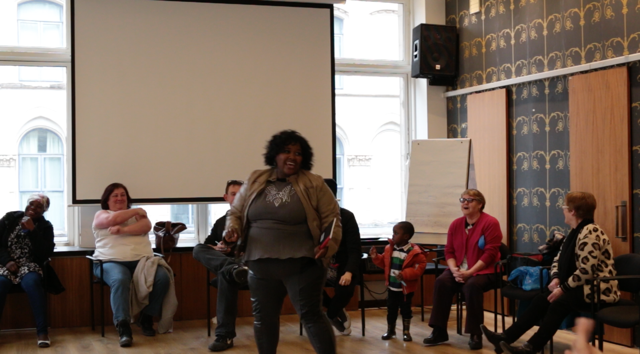
While South Africa and the UK might initially appear to be worlds apart, previous discussions between low-income communities in the global North and South had identified commonalities in their disadvantage. Potentially there are approaches that can be drawn upon and adapted in order to resist marginalisation and improve local communities, which can work across different places and contexts. This was the basis for Sophie King (UPRISE Research Fellow) and Professor Diana Mitlin (Global Development Institute, University of Manchester) inviting the South African Alliance to meet with UK community groups in March, drawing on a long history of community exchanges. This coincided with the Alliance participating in the Global Development Institute’s teaching programme with community leaders lecturing on their experiences and methods.
Alinah Mofokeng (Federation of the Urban and Rural Poor), Nkokheli Ncambele (Informal Settlements Network) and Charlton Ziervogel (CORC) all talked about their experiences of being part of the South African Alliance of SDI. This alliance has pioneered people-centered development initiatives by and of people in poverty since 1991. Their foundations are established in the grassroots, working on issues that emerge from the daily experiences of poverty, landlessness, and homelessness to bring immediate improvements and long-term inclusive citizenship within cities.
SDI’s approach to organizing is grounded in women’s led savings schemes, in which each member saves small amounts and does so with the support of their own collective savings group, so they are able to improve their own lives, and that of the wider community also. Solidarity is central to their approach and savings schemes are encouraged to federate to have stronger influence on city and state government. In the process of coming together they learn about their respective needs and challenges and respond collectively. If one member’s family does not have enough to eat, the group may decide that week’s savings will be spent on putting bread on their table. Once one savings scheme is formed, they share their learning with other marginalised people around them and support others to form schemes of their own that can join the network.
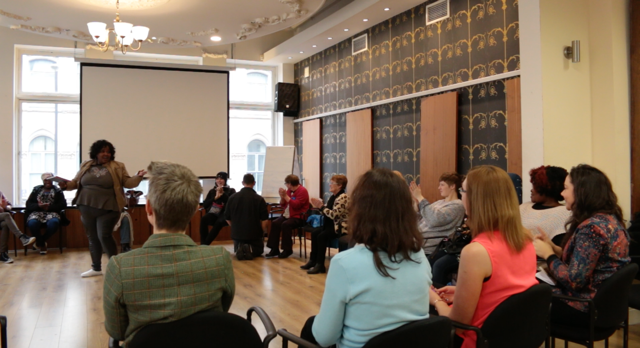 This extends beyond initial collectives to direct community-to-community learning exchange at city, national, and international levels. From here, they are able to show that they are together and are capable, which means they can influence the government from a more powerful basis – as Nkokheli said, they have been able to say to the politicians: “you are eating our money and not doing what we want. We say, enough is enough!” Nkokheli said that once the community shows that they are capable, for example through building their own toilets in the informal settlements and developing savings, politicians are more likely to listen.
The exchange of different ways of doing things between the South African Alliance and UK organisations certainly had an impact – showing us that the exchange of ideas about solidarity, a self-reliant ethos, and having a long-term vision for more inclusive cities is powerful enough to make sense across continents. One of the participants in the meeting was Ann from a group called Five Mummies Make, which is a self-help group in Scotland who have come together to sell handmade crafts, put on events and contribute to local charities; through meeting every week, the women have improved their own well-being in the process.
After the workshop, Ann was inspired to make a bigger difference than they were already achieving, saying that:
“If we bring together a bigger group, a federation, we can make such a bigger difference within the community, so not just small differences for individuals…I want to go back now and make the changes in the community, without having to go cap in hand asking for help constantly, but saying – this is what we want…”
Alinah, Nkokheli, and Charlton visited the United Estates of Wythenshawe for an extended lunch to meet people involved in Mums’ Mart. Mums’ Mart was started by a group of parents who came together after speaking to each other in the playground at their children’s school in Wythenshawe. Through chatting, they realised that they shared experiences of feeling isolated, and that their kids weren’t getting to take part in everyday activities. To address these problems the mums now meet every other week to have a meal while their children play, and they organise ‘market days’ to bring people from the estate together and raise money to take their families away somewhere fun for a day or a week.
After the exchange, members of Mum’s Mart have begun to emulate the SDI savings model and are holding weekly savings meetings, alongside their income-generating activities and monthly committee meetings to review progress; they also have ambitions about how over the long-term they can bring practical social change beyond their immediate group. Sharon Davies, the group’s treasurer, told us that since the visit Mums’ Mart have set up their own savings scheme and it is going well, and that they “have loads of really good ideas as to where we are going to go with Mums’ Mart from now on”.
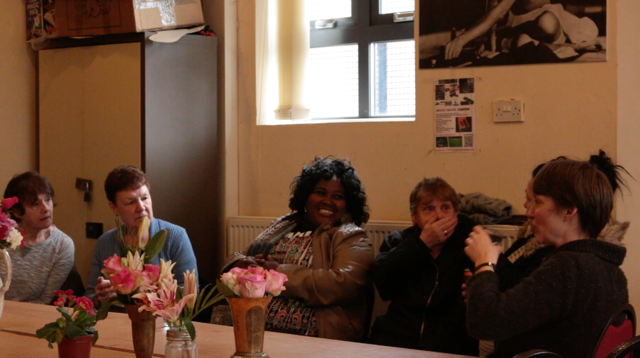 This was certainly not just a one-way street of learning from the SDI approach. Nkokheli, who was initially surprised that poverty existed in the UK after visiting a homeless group in Manchester, told us that: “The exchanges are very important to us, because it mobilises the community…and also [helps] to train communities to do things, [to see] what other people are doing for themselves. Here in Manchester, I learnt a lot…The systems are not the same, but the look of things are the same – there are things we can learn from Manchester, and there are things Manchester can learn from us”.
Through this exchange then, there have been concrete changes that have already taken place. It also shows the value of bringing together groups who might be marginalised from politics and from economic opportunities, to share ideas, tactics and strategies. There is most certainly scope in the UK to build on the approach that SDI take: developing a more self-reliant social action approach; coming together, initially in close supportive relationships between neighbours, but with a view to wider solidarity across groups and between areas; and showing the government through practical activities the capabilities of people living in low-income areas and the direction that poverty reduction strategies should take.
As Alinah said, “we are not hopeless. We know what we are doing”.
Spotlight: Diana Mitlin, managing director of the Global Development Institute
What’s the current focus of your research?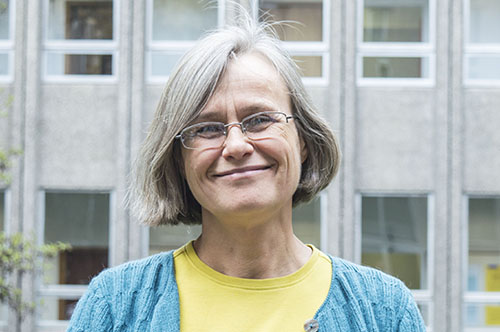
My research focuses on the priorities of low income households in urban areas, looking at what’s happening and how things can be improved. I’m pretty obsessive about maintaining this focus so it doesn’t really change.
In terms of urban development, I don’t really look at what a city development strategy might look like from the perspective of the local government or businesses. It’s much more about how low income households and communities navigate development processes and power. In practical terms I tend to look at issues of tenancy, housing and the provision of basic services such as water and sanitation.
What research projects are you most proud of being involved with?
It’s a difficult question as I think most knowledge moves around getting tested out by other academics and professions. I think is really hard to attribute any specific changes to anything I have written. It’s only when you look back at it later that the broader impacts tend to be more visible.
Having said that, there was a paper I wrote in 2008 on co-production in development. This was then used by Shack/Slum Dwellers International, a network I work closely with, to help re-conceptualise the work and approach they were taking.
I’ve also done work around the upgrading of informal settlements and the approaches that social movements have used to advance grassroots development. The Bill and Melinda Gates Foundation subsequently came in with almost US$30 million of funding, to support the approaches and initiatives I’d been writing about and involved with.
What excites you most about the Global Development Institute?
The teaching and research that’s done within the Institute is both significant and influential. I think that we can shape the way that academics think through how development can best contribute towards a world that is more prosperous and just.
The Global Development Institute has been set up with a very clear direction – to addresses global inequalities in order to promote a socially-just world in which all people, including future generations, are able to enjoy a decent life. Collectively, we have a real opportunity to think through how to realise that ambition and make a positive contribution.
Within the Institute, we recognise that the world is rapidly changing. The barriers and differences between the Global North and Global South are breaking down. We need to understand how a bunch of academics sitting in Manchester can add value to development processes. This will involve more collaboration with existing communities, researchers and knowledge generators that we work around the world and will require additional collaborations to be established. It will be a hugely intellectually stimulating, but challenging task.
What are the main challenges facing the development sector at present?
To be frank – what’s not a challenge? It’s abundantly clear that our macroeconomic models are struggling to respond to the tests they are facing in the Global North, before you get anyway near applying them to the Global South. We don’t have a good grasp on how you maintain growth, let alone how to make it equitable.
The environmental challenges we’re facing are enormous. Do we have the right tools to achieve the ambitious targets the world has set itself? How do we adapt and mitigate against the effects of climate change in a way that’s pro poor?
There are a plethora of development programmes and interventions, many of which simply don’t work. Some programmes end up institutionalising disadvantage rather than addressing it. There’s a huge job to make sure that government and agency projects respond and align to the existing priorities of the people they’re trying to help.
What’s the one thing you always pack for fieldwork?
A pair of running shoes. On the last fieldwork trip I did with GDI students in Uganda, we even managed to form an impromptu running club, roping in some of our Ugandan hosts!
Imagining Solidarity Conference
On 19-20 May the GDI will be hosting a conference on ‘Imagining Solidarity: Visual representations of development in public campaigns’.
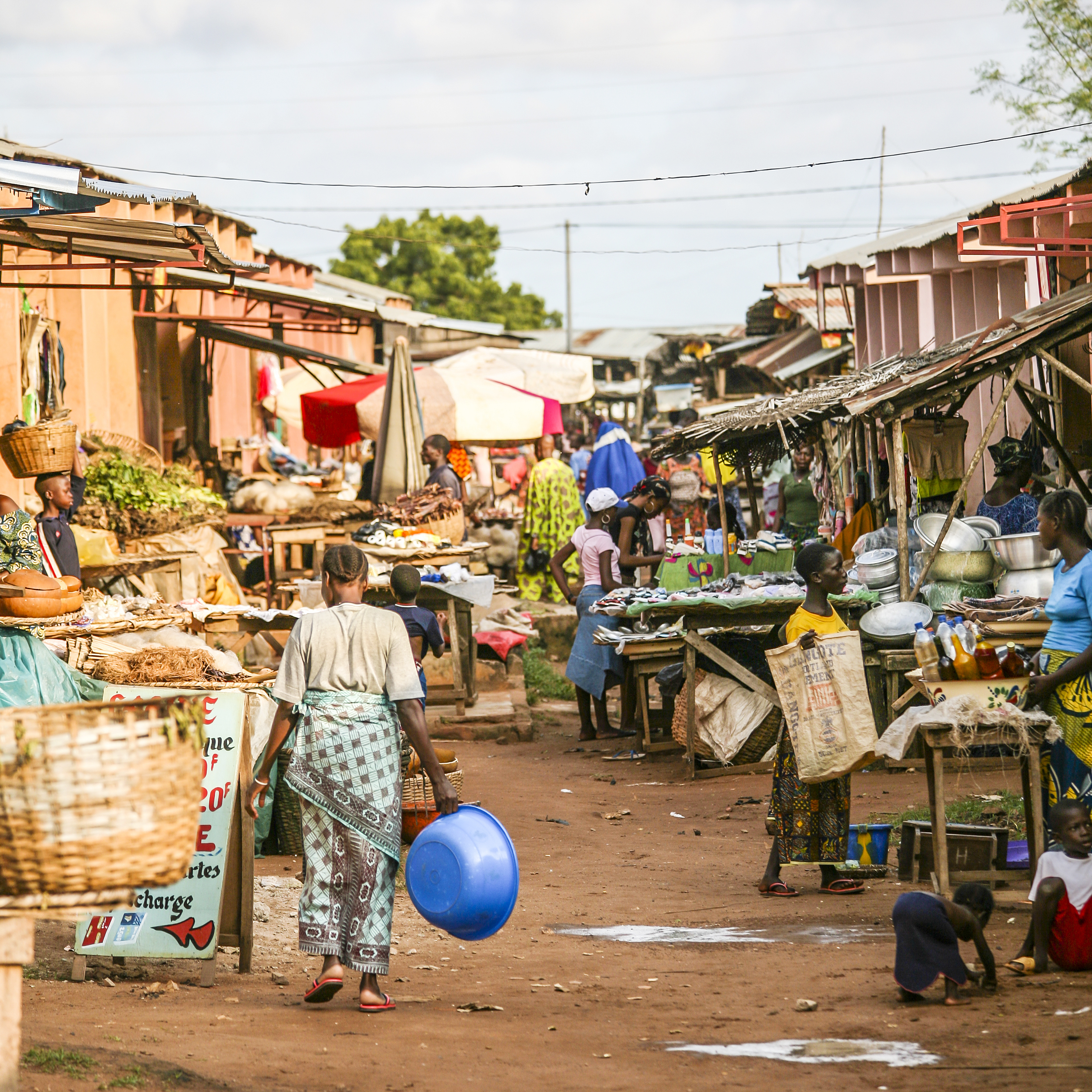 The aim of this conference is to explore the realm of the visual to examine how the complex relations of embodied, material encounter and engagement between people and visual campaigns shape discourses of development and forms of solidarity. It will seek to develop new theoretical insights into public and popular representations of development and forms of solidarity, to provide empirically grounded analysis of how ideas about solidarity are being imagined visually in public campaigns and charity adverts and to contribute to public debate and policy making on the use and impact of popular images.
More specifically, the conference will address the economic, political and socio-cultural dimensions and implications of visual images promoting solidarities through addressing the following questions:
- What do visual images reveal about the production of emergent meanings and values around difference, otherness and inequality, that underpin ideas of development, through their depictions of people and places?
- How do visual representations combine economic imperatives with ethical responsibilities for development by evoking a visual language of care, interdependence and a common humanity?
- In what ways do public campaigns aimed at creating global solidarities suffuse everyday space and shape western public’s ethical disposition towards people overseas and foster the emergence of moral communities across distance and over time?
- What are the historical antecedents of representations of other people and places and how do they shape ideas and images of contemporary visual campaigns?
- How do different audiences respond to visual representations of solidarity and with what material, political and economic effects?
- What are the connections between these representations and development goals and outcomes?
Conference conveners:
- Uma Kothari (Global Development Institute, University of Manchester)
- Dan Brockington (Sheffield Institute for International Development, University of Sheffield)
The conference provides an opportunity to bring together academic researchers from various disciplines as well as producers of images and the organisations that use them to promote their causes.
It is free to attend but places are limited so please email uma.kothari@manchester.ac.uk and debra.whitehead@manchester.ac.uk if you are interested in participating.
Ramblings of an inquisitive traveller with a magicians hat: the PhD fieldwork experience
By Aarti Krishnan, PhD researcher, Global Development Institute
As clouds scudded across a beautiful crimson sky, I remember sensing a knot in the pit of my stomach. To be honest, it was the anticipation of going to an unknown country, but I do, however, recall blaming it on aeroplane food. It was my first time visiting Kenya and as the aeroplane finally landed, I remember feeling unprepared for what lay ahead despite, all the fieldwork preparation I had done, the journal articles and reports on horticulture farmers I spent months reading and the ideas I came with on it might be. Especially because Kenya was only known to me through reading published articles and what I saw on TV!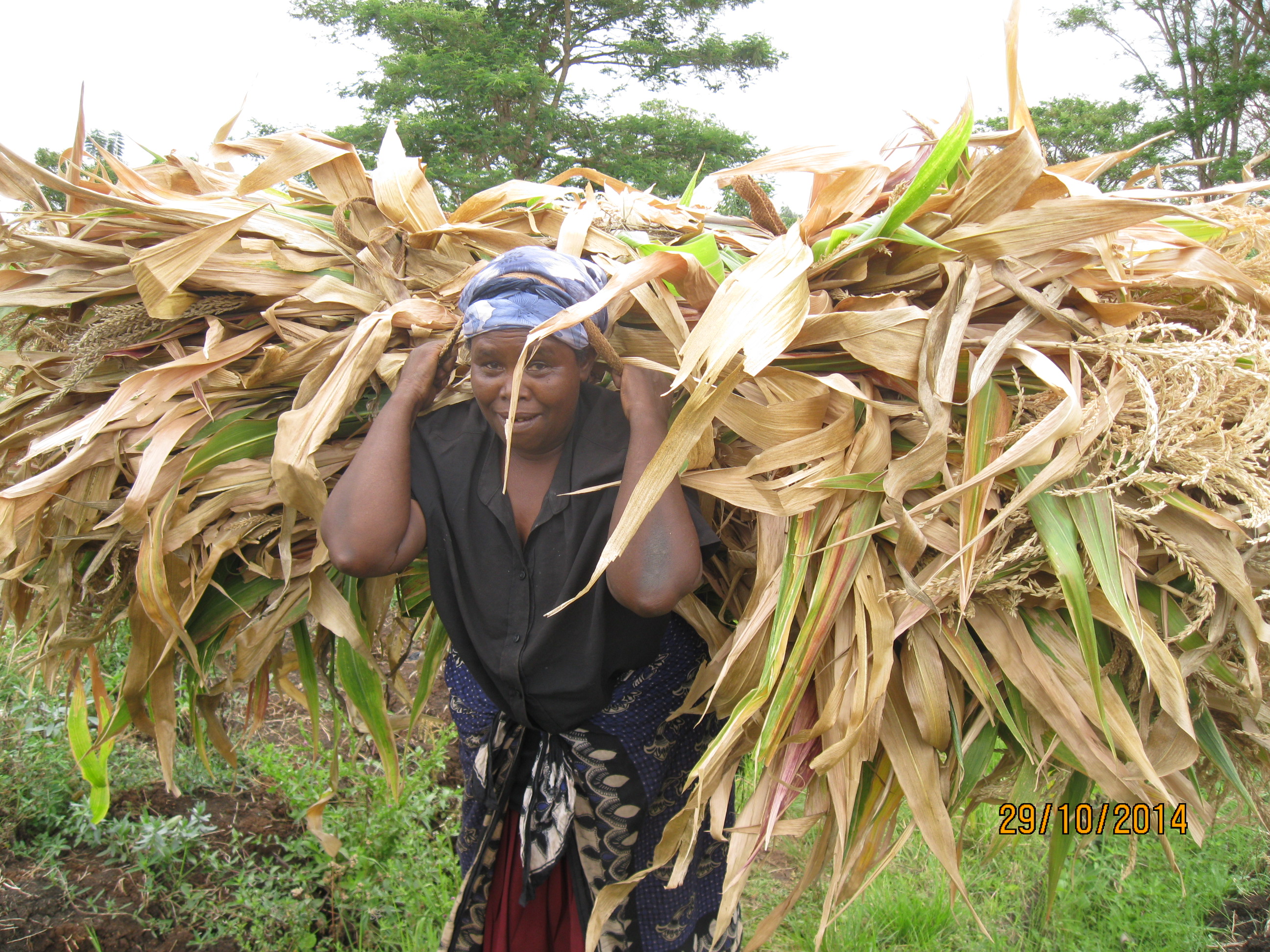
Isn’t that how many of us start out with fieldwork? Brimming with notions of what we believe could possibly be true. This partial certainty (it is short-lived as many PhD researchers will attest to) that our ideas may actually have some critical mass, comes from the fact that we gather extensive knowledge during our first reading year, albeit through secondary sources at the start.
I have always found it hard to place myself as a researcher on the development studies spectrum, like many others I too am multi-disciplinary. My work speaks to economists as well as economic and environmental geographers and therefore, I have been labelled by qualitative researchers as being a positivist and by economists as being a critical realist. Both research paradigms are tough realms to conquer! So I did what I thought was best and wore the only hat that I was sure of, the ‘practical one’, a passive critical realist that comes from meticulously scourging the internet for everything I could find on horticulture production networks in Kenya and formulating an educated hypothesis of the underlying drivers. Armed with that knowledge I began the process of extrapolating what I thought might help answer my research questions.
PhD Fieldwork #101- the blackhole effect: Stress and time pressures are something you sign on for when you begin a PhD. I came to Kenya looking for solutions to what I thought were complex, yet well structured questions. However, the more I learned, the less I knew. Halfway through my six months of fieldwork I ended up with a whole bunch of new and more convoluted questions than I had come with! It felt like I was floating in a blackhole with no sight of light!
 PhD fieldwork #102- the sponge effect: I feel like I am always behind, and that I need to talk to ‘every stakeholder’ that is relevant however distantly to my research to get a holistic picture of what might really be happening. I did this by plunging into fieldwork, and like a sponge soaked up as much information and knowledge as possible, with hopes of wringing out the answers to my research questions.
PhD fieldwork #103- the Oceans 11 effect: Different researchers plan differently, some plan each day meticulously, with a detailed excel sheet, stylized fonts and highlights for different stakeholders and locations. While other researchers may want to take a more fluid approach and go with the flow. I began optimistically with the former, but ended up doing a bit of both. Planning in advance is all well and good, however the world does not dance to your schedule! I came to this realization after being stood up twice for the same interview in a matter of days. My advice – stay flexible, if you plan like in Oceans 11 … and it works, then you are definitely in a movie!
After interviewing a considerable number of stakeholders, I reached – what I think can be called a tipping point…where I had to make a choice about how I felt about my research and how actively I wanted to be part of it. Either I could decide to keep my practical passive hat on and continue to ‘listen’ but not really ‘hear’ what I was being told. Or I could allow the heartfelt discussions with the wonderful people I interviewed to really sink in and manifest itself in my work with a researcher-activist hat on. This mean meant actively seeking ways to create tangible positive outcomes for them. Both hats are very dynamic, but have their own pros and cons.
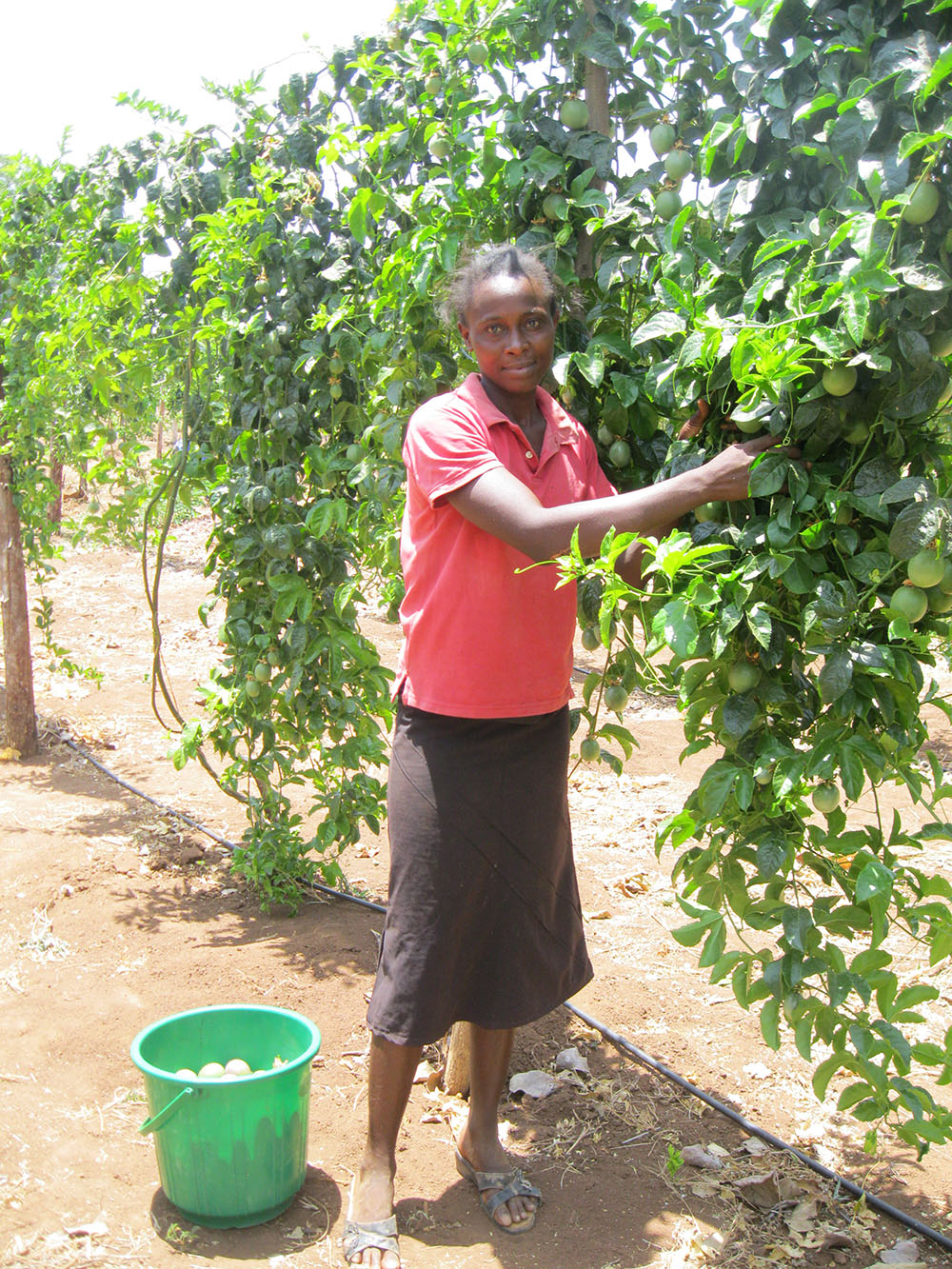
I was able to talk to over 600 fruit and vegetable farmers from central Kenya, who told me their stories not only through my rather impersonal questionnaires, but through their actions. Every farmer I visited, shared the little they had with me, be it some of their precious export quality fruits, their humble and delicious lunch and tea at times. How could I not feel privileged?
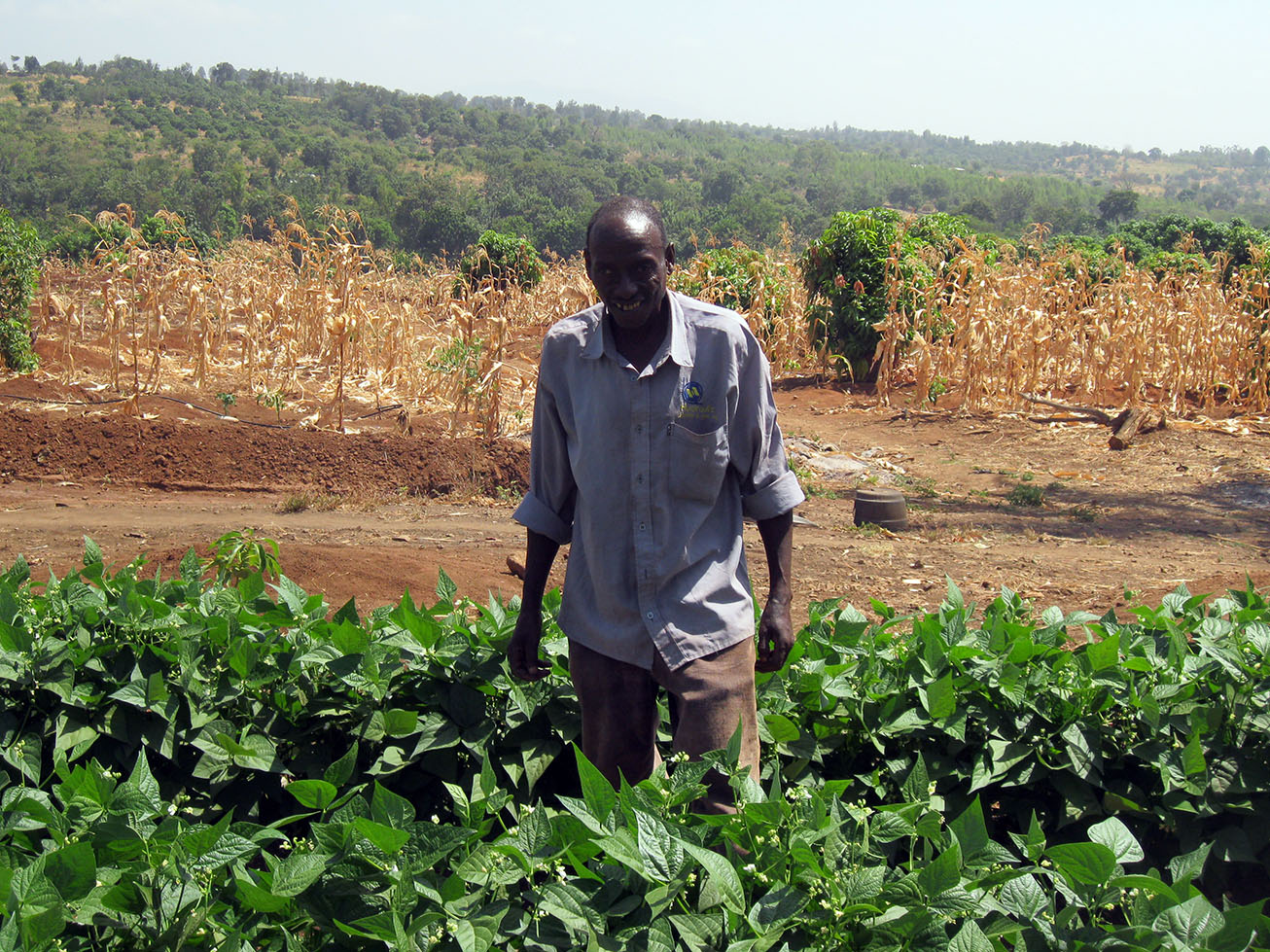 After such moving interviews, I spent a few minutes looking at the last farmer I interviewed on day 125, unsure of whether I would be able to only wear my passive researcher hat anymore. On one hand, I wanted to finish my PhD on time, while on the other I also wanted to help the people I met in whatever small way I could. I just was not sure of the best way to do that. It is common knowledge that most PhD students are eternally broke!
I had spent almost six months absorbing stories of struggle and survival melded with stories of hope. At the end of fieldwork, I remember sitting amidst a beautiful mangrove, contemplating how I should feel at the very end…happy that I got the answers I came for? Sad that it is over? Content with what I had understood? Or more confused about what was really ‘real’? Should I have some greater more profound feelings that people feel at the end of difficult and stressful journeys? But I don’t remember feeling any of it. Instead I left Kenya feeling a bit anxious, still pondering how I could juggle my hats in a way that did justice to both my research and to the amazing people that I had encountered.
It took me a while after coming back from fieldwork to realize what Kenya had given me. It was an opportunity to tell two stories. One that was full of practical wisdom, the one that I knew is what a PhD thesis is meant for… while the other one that woke the activist in me, who wanted to make a difference no matter how small.
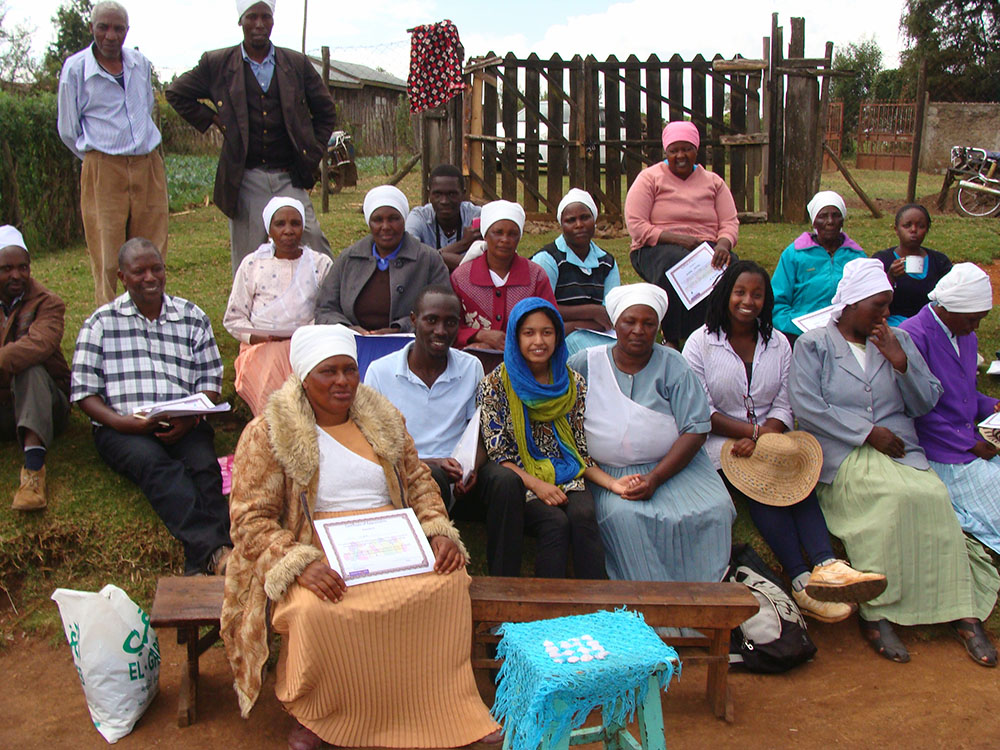 It was only after this roller coaster of an experience did I realize that a PhD is not just a piece of intelligent well researched work- that is meant to sit on shelf somewhere; it is like a piece of art that needs to be shared. The PhD fieldwork experience not only brought out the practical researcher in me but the activist one too- enabling me to take the middle ground and pen down their story wearing both my hats.
PhD Fieldwork #104- The dust storm effect: my fieldwork went by like a storm, starting slowly, with highs and lows, then speeding up and before I knew it I was back in the UK, seated on my familiar desk with a cup of coffee. That being said, fieldwork turned many stones. It motivated me in ways I didn’t know were possible… it offered me the promise that both my hats together would not only be enough for a PhD, but also lit up a path that might last me a lifetime. I went to Kenya with a single hat, and came back with at least two and a rabbit in both and who knows how many more hats are in store. So I guess I just want to remind fellow researchers out there to never underestimate the magic PhD fieldwork can bring!
Listen | Judith Heyer on Rural Labour Hierarchies
Judith Hayer, The University of Oxford, spoke as part of the Global Development Seminar Series. Her lecture examines data from a long-term study of villages north west of Tiruppur to compare manual and low-skilled employment options open to people who do not have Higher Education of any kind.
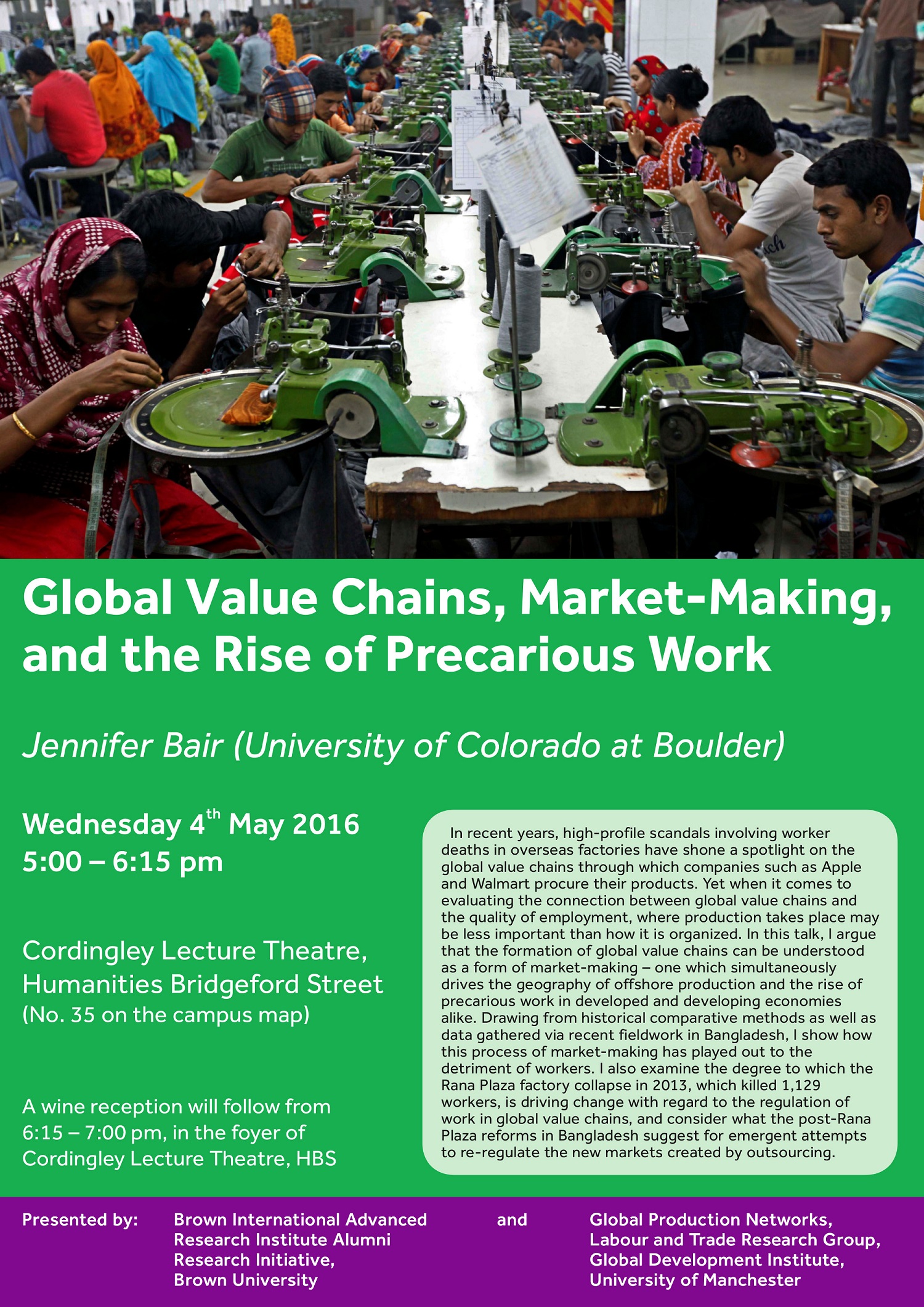
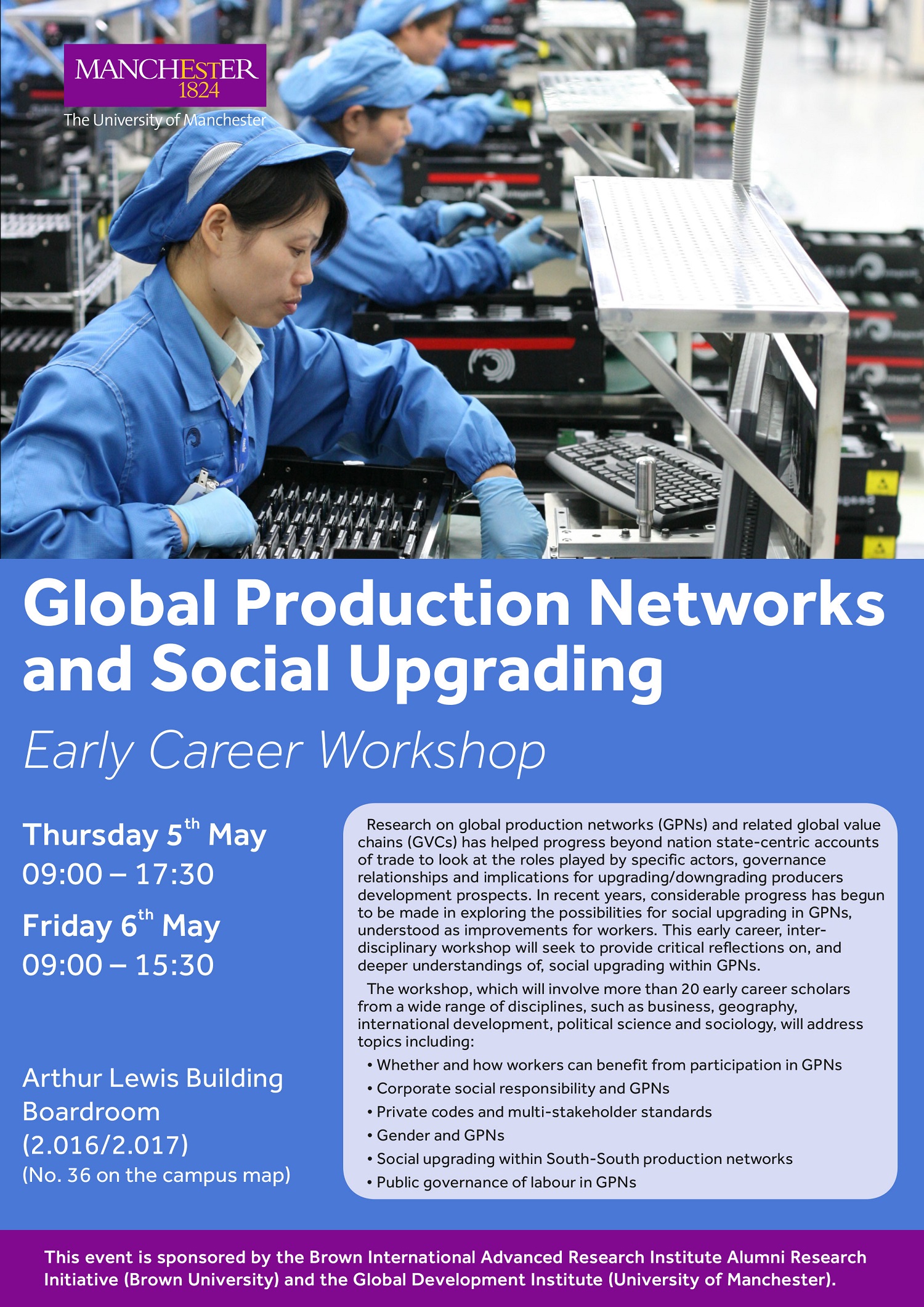
Workshop on ‘Global production networks and social upgrading’ 4 – 6 May
Innovative new research reveals the lived experience of climate change in Dhaka through a Pot Gan Performance of ‘Jol-duari’
Climate change intensifies the exclusion suffered by the poorest, but what needs to be done to support the people of Bangladesh to respond to one of the biggest environmental and development challenges of the 21st century?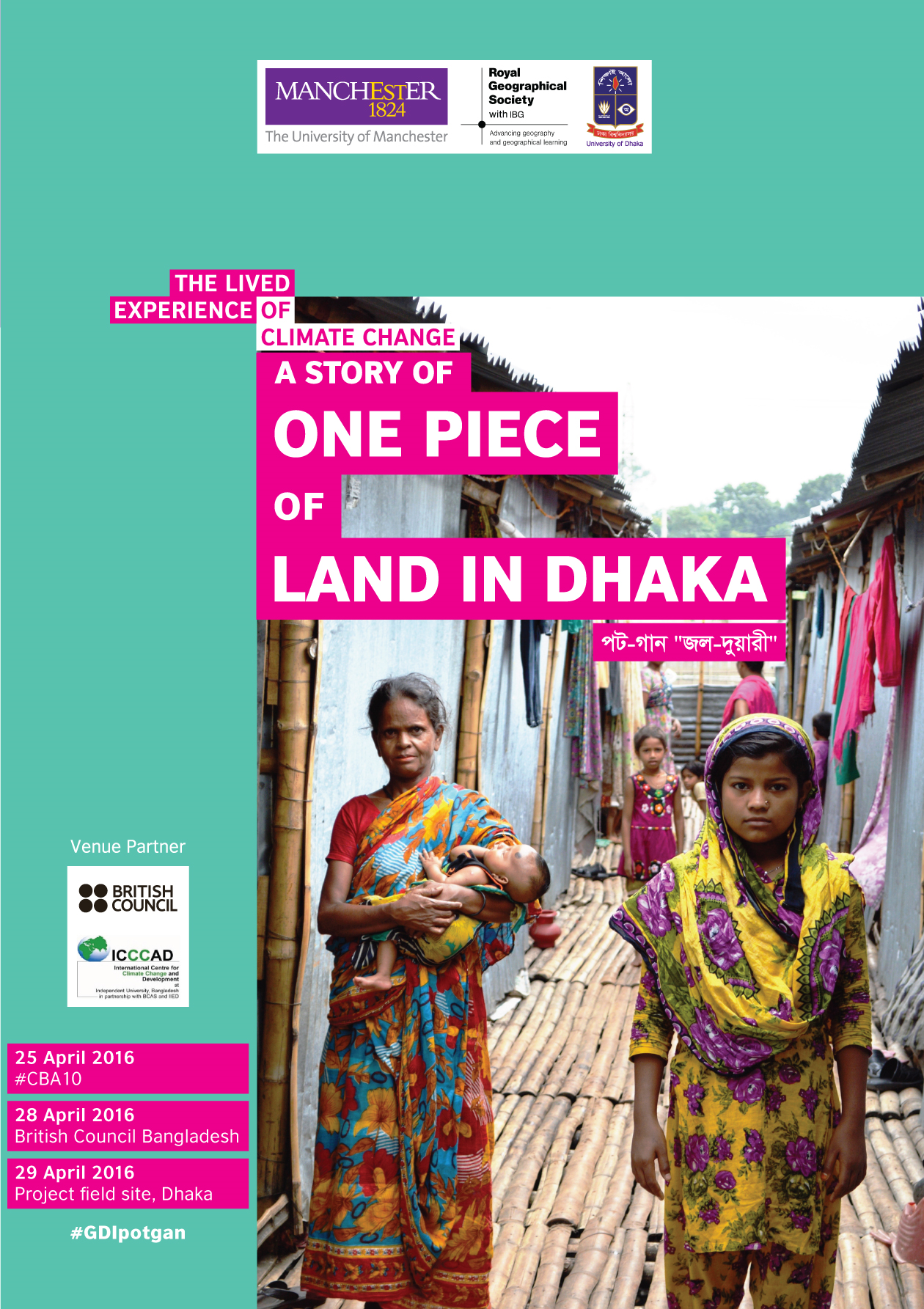
Dr Joanne Jordan from the GDI spent months in the slums of Dhaka talking to 646 people in their homes, work places, local teashops and on street corners to understand how climate change is linked to many other problems experienced in their ‘everyday’ life.
Joanne’s study set out to understand how land tenure influences climate change impacts and in turn how land tenure can influence strategies for enhancing climate resilience in a Dhaka slum. The research found that some adaptation strategies that could enhance the urban poor’s resilience to climate change are limited by land tenure arrangements. Limited access to resources and assets can trap the urban poor in locations that have a high vulnerability to floods.
One slum dweller explains their limited ability to access land with low flood risk: “The water came up to my waist, our houses drown? Where can we go? The more water, the less the rent. The rent is low here. The owner is going to raise the land, but the rent will go up. This will not help me. We will move somewhere else. We are poor, wherever we can get cheap rent, we move there.”
With the research completed, Joanne teamed up with the Department of Theatre and Performance Studies, University of Dhaka to explore the findings through a ‘Pot Gan’; a traditional folk medium, featuring melody, drama, pictures and dancing. This project aims to create a new and modernised form of Pot Gan moving towards a documentary drama. Performances will be used to build awareness of how climate change affects the lives of those living in Dhaka slums.
Dr Joanne Jordan said “Communicating the research findings is important for building awareness and action on climate change. The live performance of the Pot Gan allows me to present my research in an entertaining way that encourages audiences to actively engage with the research material. Most importantly, it gives an insight into the lives of the urban poor who experience climate change by highlighting their personal experiences.”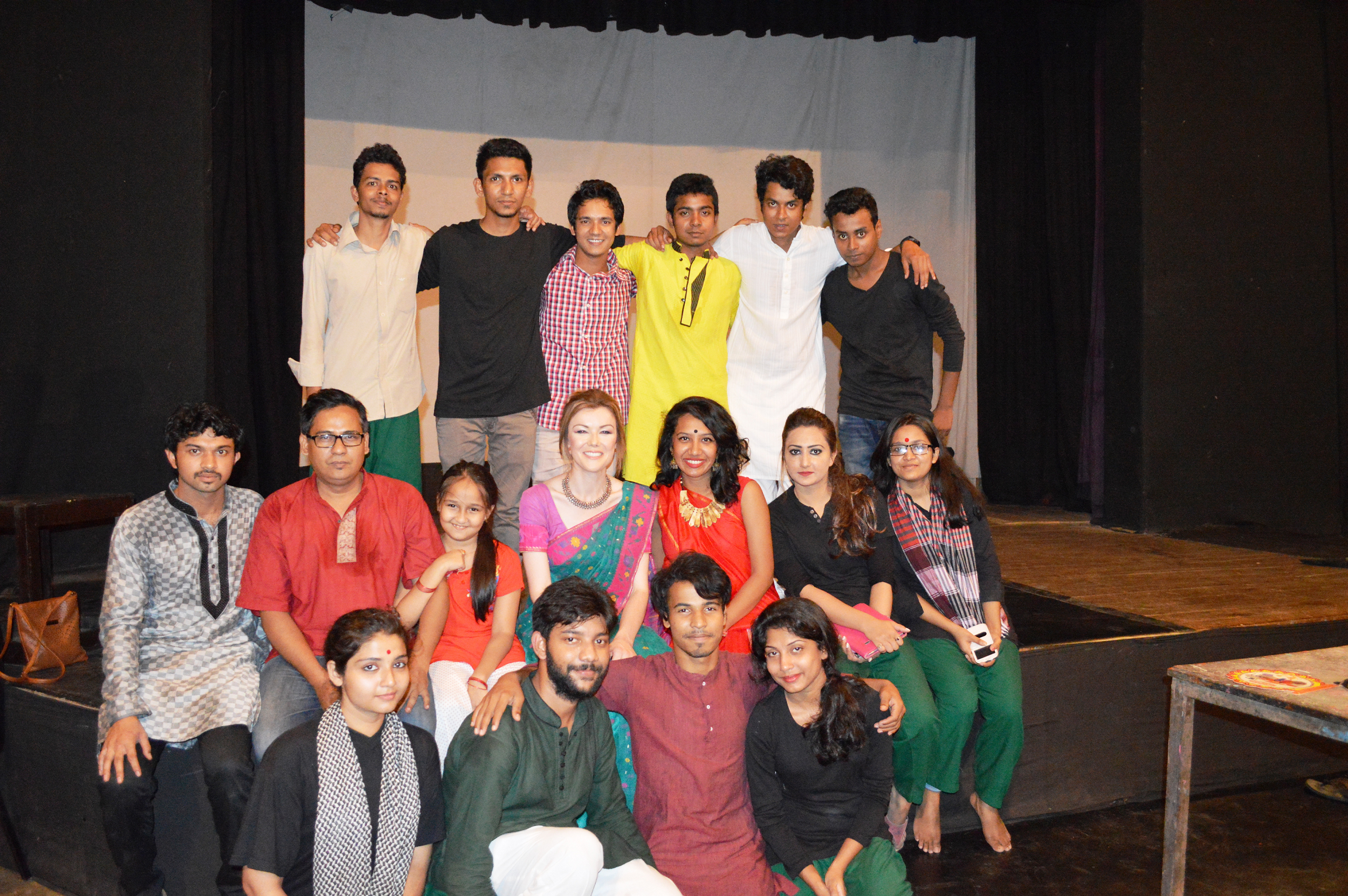
The collaboration between Dr Jordan and the University of Dhaka has resulted in the Pot Gan being developed as part of a Master’s course unit on ‘Theatre for Development’. The director of the Pot Gan, Mr Ahasan Khan said “Theatre for Development is important for our students to learn about crucial global issues, such as climate change and to utilise traditional modes of indigenous theatre, such as Pot Gan, to foster a new dimension for story-telling. But, in order to revitalise the practice within modern society, we asked ourselves: what will be the form of Pot Gan in the 21st century? We used projections and digital print photographs instead of the traditional practice of hand-drawing the backdrop canvasses for the show. We are excited to present this experimental work.”
Performances of The Lived Experience of Climate Change: The Story of One Piece of Land will take place:
- 25th April 2016 at 6:30pm. The 10th International Conference on Community-based Adaptation to Climate Change.
- 28th April 2016 at 7:00pm. British Council Bangladesh, Dhaka.
- 29th April 2016. Within the community that provided the insights for the research.
These performances will form part of a documentary to be screened to both international and national audiences.
You can follow updates on twitter using the hashtag #GDIpotgan
Project Funders
This project was financially supported by the Royal Geographical Society (with IBG) with an Environment and Sustainability Research Grant, The University of Manchester Humanities Strategic Investment Research Fund and the School of Environment, Education and Development Research and Impact Stimulation Fund.

Listen | Nicola Banks on youth poverty in Arusha, Tanzania
The Global Development Institute’s Dr Nicola Banks spoke about her latest research into youth poverty in Arusha, Tanzania. The lecture looks at what the experience of urban poverty means for young people and their social and economic development, highlighting the need to look beyond these narrow indicators to understand what it means to be young and poor in a city context.
You can also read Nicola’s blog post: Tackling Youth Unemployment in Arusha: From Knowledge to Action.